Which East Dallas neighborhoods are best for historic homes?
East Dallas has a broad range of historic homes, from large early 20th-century residences on Swiss Avenue to Craftsman bungalows, Prairie-style homes, and Tudor cottages in established residential neighborhoods. The right fit depends on the architecture a buyer wants, the home’s condition and renovation history, and how much exterior review may apply to future work.
Several East Dallas neighborhoods have formal City of Dallas historic or conservation district protections. Others have substantial historic housing but no district-wide designation. These distinctions matter. A neighborhood’s name alone does not confirm which rules apply to a specific property, so buyers should verify the address and review the applicable City requirements before planning exterior changes.
For an overview of East Dallas architecture, see the East Dallas architectural styles guide. The history of East Dallas also provides context for how the area’s neighborhoods developed.
Swiss Avenue Historic District
Swiss Avenue is one of Dallas’s best-known destinations for buyers seeking formal early 20th-century architecture. The boulevard is lined with large homes in a range of styles, including Prairie, Colonial Revival, and other historic revival designs. Wide setbacks, mature trees, and landscaped medians give the street a scale that differs from the smaller residential blocks nearby.
The district is a strong fit for buyers who value architectural significance, larger historic residences, and a highly visible preservation identity. The City of Dallas identifies Swiss Avenue as its first local historic district. Buyers considering a home here should understand the district’s preservation criteria and confirm what approvals would apply to any proposed exterior work.
Explore Susan’s Swiss Avenue neighborhood guide.
Munger Place
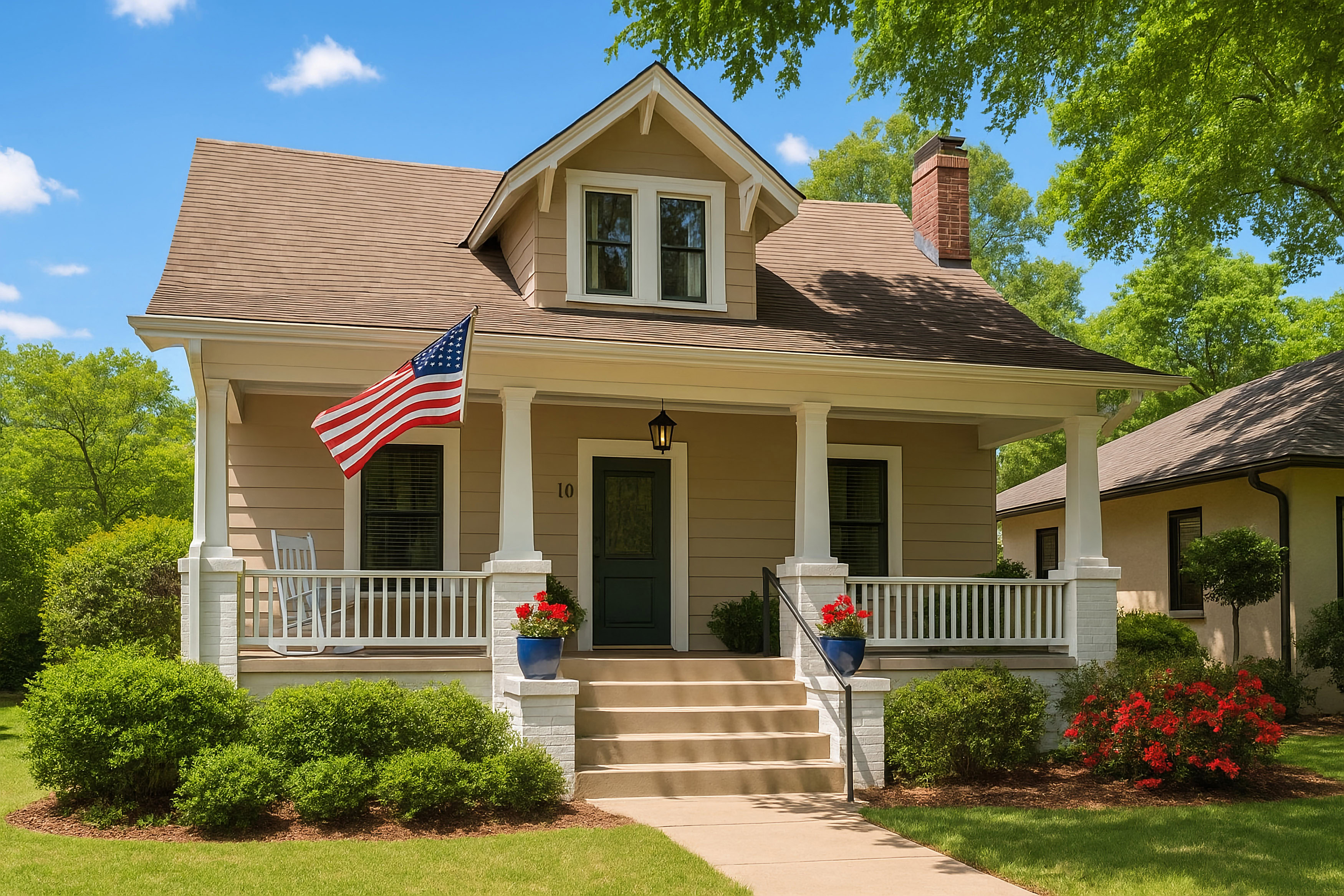
Munger Place offers a distinctive collection of early 20th-century homes, including Prairie-influenced houses, four-squares, Craftsman homes, and Tudors. Many homes have broad front porches, generous entry halls, tall ceilings, and period details such as leaded glass.
For buyers who want historic architecture on a residential street close to the urban core, Munger Place is worth comparing with Swiss Avenue. Its homes tend to be more varied in scale and setting than the grand residences along Swiss Avenue. Munger Place is a City of Dallas Landmark District, so buyers should check the applicable preservation criteria before budgeting for exterior changes or additions.
See the Munger Place neighborhood guide.
Junius Heights
Junius Heights is known for its broad range of Craftsman, Prairie, and Tudor homes. The district includes hundreds of residences, with architectural character that changes from block to block. Buyers may find smaller bungalows as well as larger homes, making it a useful neighborhood to explore when floor plan, lot, and price range are important considerations.
Junius Heights is a City of Dallas Landmark District. That designation can affect exterior alterations, so buyers should look beyond the home’s current appearance and understand how the district’s rules may shape future projects. The neighborhood’s variety also makes property-specific research important. Two homes in the same neighborhood may have different conditions, additions, or preservation considerations.
Read Susan’s Junius Heights neighborhood guide.
Peak’s Suburban Addition
Peak’s Suburban Addition stands out for its late 19th-century roots and varied historic housing. Its streets include Victorian-era homes, Craftsman bungalows, and other early residential styles. The setting is more urban than some of the East Dallas neighborhoods closer to White Rock Lake, with convenient access to downtown and nearby districts.
For buyers who are drawn to older architectural forms and a close-in location, Peak’s Suburban Addition deserves a place on the list. It is a City of Dallas Landmark District, so buyers should confirm the property’s location within the district and review the applicable rules before planning exterior work.
Explore the Peak’s Suburban Addition neighborhood guide.
Greenland Hills and the M Streets
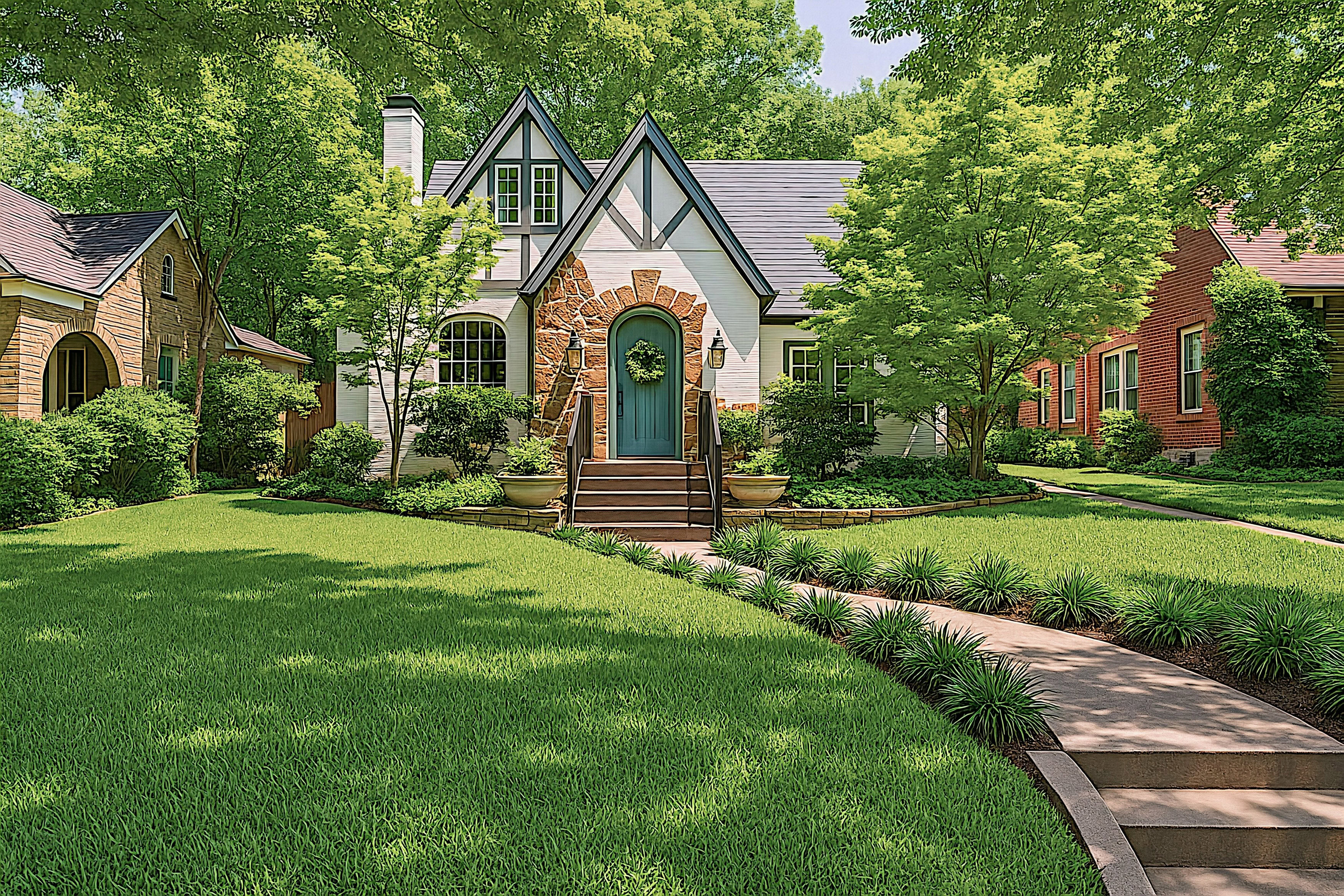
Greenland Hills, commonly called the M Streets, is best known for its Tudor homes. Steep rooflines, brick facades, arched entries, and decorative details give the neighborhood a consistent architectural identity. Buyers also value its location near Lower Greenville, restaurants, and neighborhood retail.
Greenland Hills is often grouped with East Dallas’s historic neighborhoods, but buyers should distinguish its conservation protections from a City Landmark historic district designation. The rules depend on the property’s location and the applicable district ordinance. Buyers considering an addition or major exterior renovation should check the address and requirements before assuming a project will be permitted as planned.
See Susan’s Greenland Hills and M Streets guide.
Hollywood Heights and Santa Monica
Hollywood Heights and Santa Monica offer a mix of 1920s and 1930s architecture, including Tudor Revival, Spanish Eclectic, and other period styles. Some homes are associated with Dallas architect Charles Dilbeck. The area also appeals to buyers who want a residential setting near White Rock Lake.
The neighborhood has a conservation district with its own standards for compatible design and exterior work. That framework differs from a City Landmark historic district. Buyers should review the district information and confirm which requirements apply to the specific property.
Explore the Hollywood Heights and Santa Monica neighborhood guide.
Vickery Place
Vickery Place includes Craftsman, Prairie, Colonial Revival, and Tudor homes, along with later construction. Its location near Lower Greenville and other central Dallas destinations makes it a good option for buyers who want historic character with convenient access to restaurants and retail.
Vickery Place is a conservation district. The district was created to help maintain neighborhood scale and character while allowing renovation and new construction under its standards. Buyers comparing Vickery Place with a Landmark historic district should review the specific ordinance rather than assume the rules are the same.
Read the Vickery Place neighborhood guide.
Belmont Addition
Belmont Addition has a mix of Craftsman bungalows, Prairie-style homes, and brick Tudors, often on raised lots with mature trees. It is a practical neighborhood to consider for buyers who want an early 20th-century home and access to the restaurants, shops, and parks around Lower Greenville.
Belmont Addition has a conservation district. Buyers should determine whether a particular home falls within its boundaries and what that means for additions, replacement materials, or new construction. The district’s rules are specific to the area and should be reviewed before making renovation assumptions.
See the Belmont Addition neighborhood guide.
Lakewood and Wilshire Heights
Buyers can also find historic homes in Lakewood and Wilshire Heights. These neighborhoods include homes from several periods and architectural styles, so the housing stock can be less uniform than in a designated historic district.
In these areas, buyers should evaluate the individual property, its renovation history, and any applicable zoning or overlay requirements. A home may have significant architectural character even when it is not located in a district with neighborhood-wide historic designation.
How to choose the right East Dallas neighborhood
A useful comparison starts with the home and the buyer’s plans for it. Someone seeking a grand historic residence may focus on Swiss Avenue. A buyer looking for a Craftsman bungalow may compare Junius Heights, Munger Place, Belmont Addition, and Vickery Place. Buyers drawn to Tudor architecture may want to explore Greenland Hills and Hollywood Heights.
Before making a decision, buyers should consider:
- Architecture and layout: Identify the styles, room arrangements, and lot characteristics that fit daily life.
- Condition and renovation history: Review the home’s systems, additions, and prior work with qualified inspectors and specialists.
- District requirements: Confirm whether the property is in a Landmark or conservation district and review the current ordinance.
- Future plans: Ask early whether a planned addition, exterior change, or new structure may require review or approval.
The East Dallas guide to historic and conservation districts explains how these designations differ. Buyers can also consult the City of Dallas Landmark District information and the City’s conservation district resources. District boundaries and requirements should be confirmed with the City for each address.
Work With Susan Georgeson, an East Dallas Historic House Specialist
Historic homes call for careful property review and a clear understanding of how condition, previous renovations, architectural details, and district rules may affect ownership. Susan Georgeson has more than 20 years of Dallas real estate experience and holds the Historic House Specialist designation through Preservation Dallas.
Susan helps buyers compare East Dallas neighborhoods, evaluate inspection findings, coordinate appropriate specialists, and understand which questions need further review. Her role is to help buyers make informed decisions alongside inspectors, engineers, contractors, attorneys, and City officials.
As you compare neighborhoods, it also helps to know what to look for in an agent who understands East Dallas’s historic housing and district requirements. See how to choose a Realtor for a historic home.
Learn more about Susan’s Historic House Specialist designation or contact Susan to discuss an East Dallas home search.