A Realtor who works well with buyers of historic homes should understand the differences among East Dallas neighborhoods, know how to check whether a property is in a regulated district, and help buyers coordinate the right professional reviews. The Realtor should also be clear about the limits of the role: property condition, engineering, construction, and City approvals require input from qualified specialists and officials.
What should you look for in a Realtor for a historic home?
Look for an agent who can show relevant East Dallas experience, explain how historic and conservation districts differ, and help you investigate a property before you commit. Ask for specific examples of how the agent has handled inspection findings, renovation questions, or district requirements. A general interest in historic architecture is a good start, but it is not the same as knowing how these issues affect a purchase.
1. Look for experience in the neighborhoods you are considering
East Dallas is not one uniform historic market. The architecture, lot patterns, renovation history, and district rules vary from neighborhood to neighborhood.
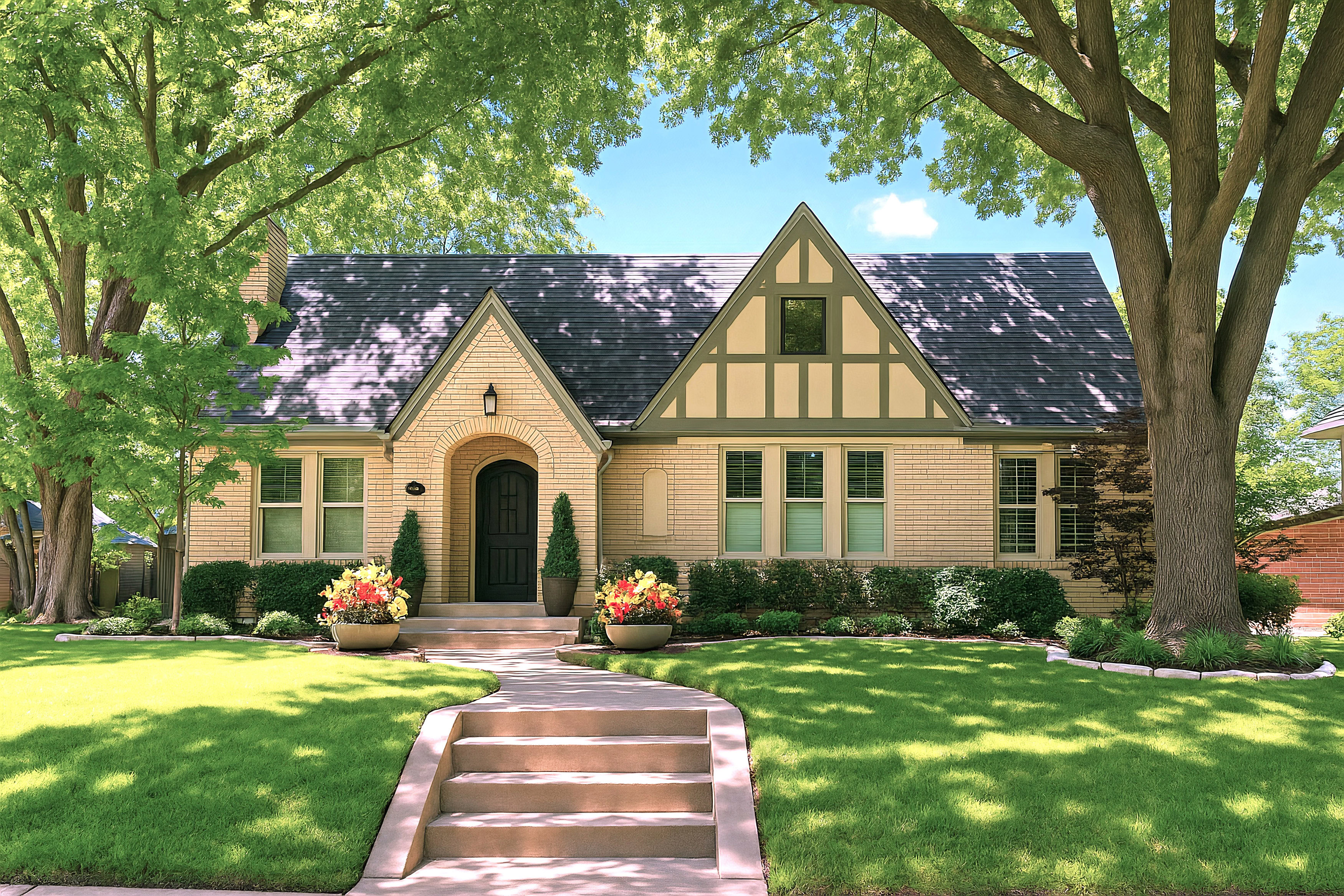
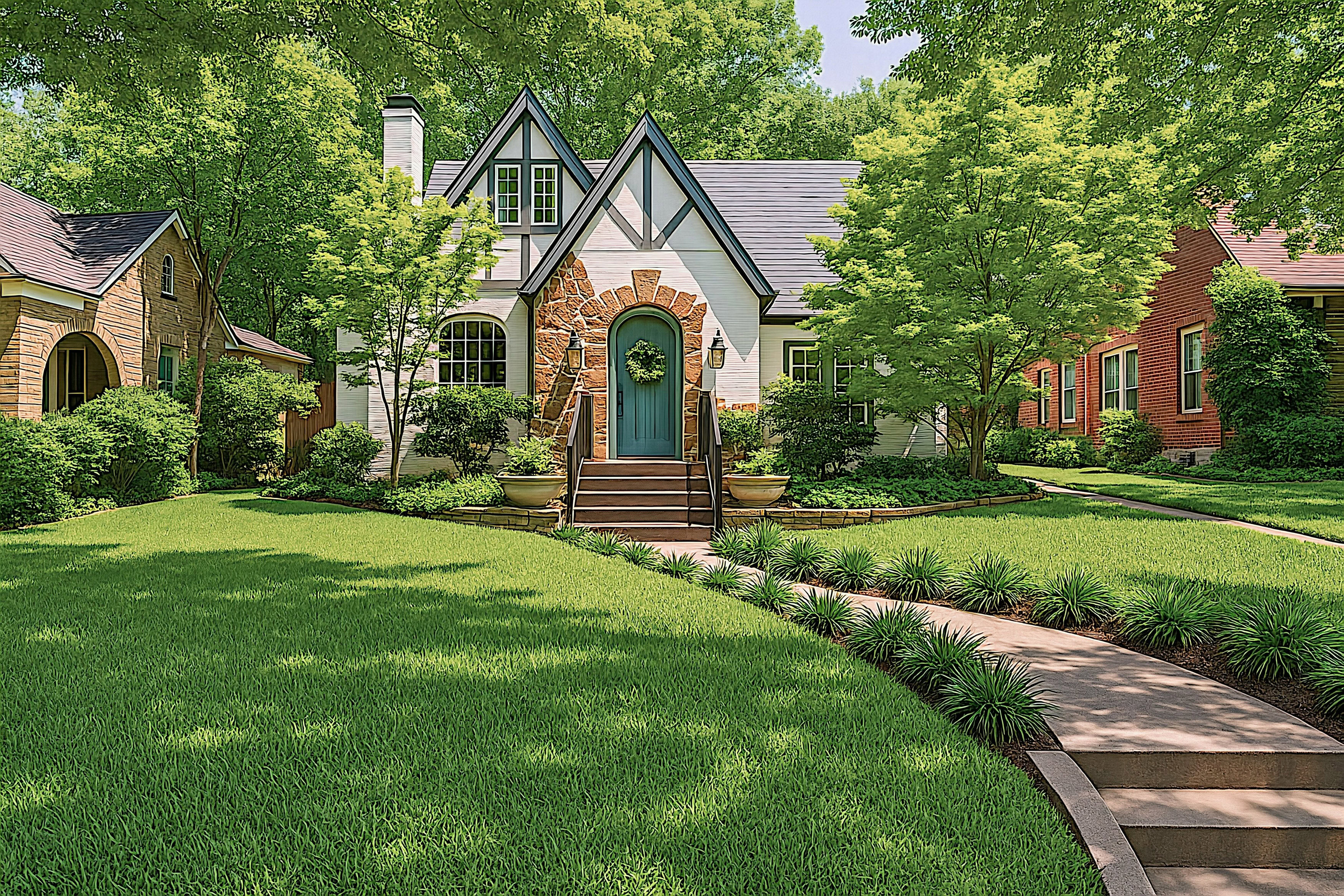
A buyer considering a Craftsman bungalow might compare Junius Heights, Munger Place, Belmont Addition, and Vickery Place. Someone drawn to Tudor architecture may want to explore Greenland Hills and the M Streets or Hollywood Heights and Santa Monica. Buyers looking for larger or more formal historic residences may also consider Swiss Avenue and Peak’s Suburban Addition.
Historic homes are also found in Lakewood and Wilshire Heights. In those areas, a buyer should evaluate the specific home and address rather than assume the whole neighborhood has the same historic designation or review requirements.
Ask a prospective agent which East Dallas neighborhoods they know best and what differences they see among them. The answer should go beyond a list of neighborhood names. It should help you understand what might make one area or property a better fit for your priorities.
For background, see the history of East Dallas and the guide to East Dallas architectural styles.
If you are still comparing areas, see this guide to the best East Dallas neighborhoods for historic homes.
2. Make sure the agent checks the property’s actual designation
The words historic, landmark, and conservation are sometimes used loosely in real estate conversations. A Realtor should know to verify the property’s status by address and explain what that status means for your plans.
A City of Dallas Landmark District has preservation criteria in a district ordinance. A conservation district has its own rules, which may address neighborhood scale and compatibility. A home can also have historic architecture without being inside either type of district.
These distinctions can affect exterior work, additions, windows, landscaping, demolition, or new construction. The requirements are not interchangeable, and a neighborhood name alone does not establish which rules apply to a particular property. Buyers can review the City’s Landmark District information and conservation district resources.
A knowledgeable agent can help identify the right questions and point buyers to the applicable City resources. The agent should not promise that a proposed project will be approved.
3. Choose someone who treats inspections as part of the decision
Historic character does not tell a buyer whether a house is in good condition. The Realtor should help you organize the review process and understand which specialists may be appropriate for the property.
Depending on the home, buyers may want to investigate foundation movement, sewer lines, plumbing, electrical systems, roof condition, drainage, insulation, trees, windows, additions, or prior repairs. The right inspections will depend on the house and the findings as the process unfolds.
The Realtor should help you track deadlines, request access, gather available records, and discuss how findings may affect your decision or negotiations. The Realtor should not diagnose structural problems, interpret engineering data as an engineer, or substitute a repair estimate for a contractor’s assessment.
4. Ask how the agent handles renovation and preservation questions
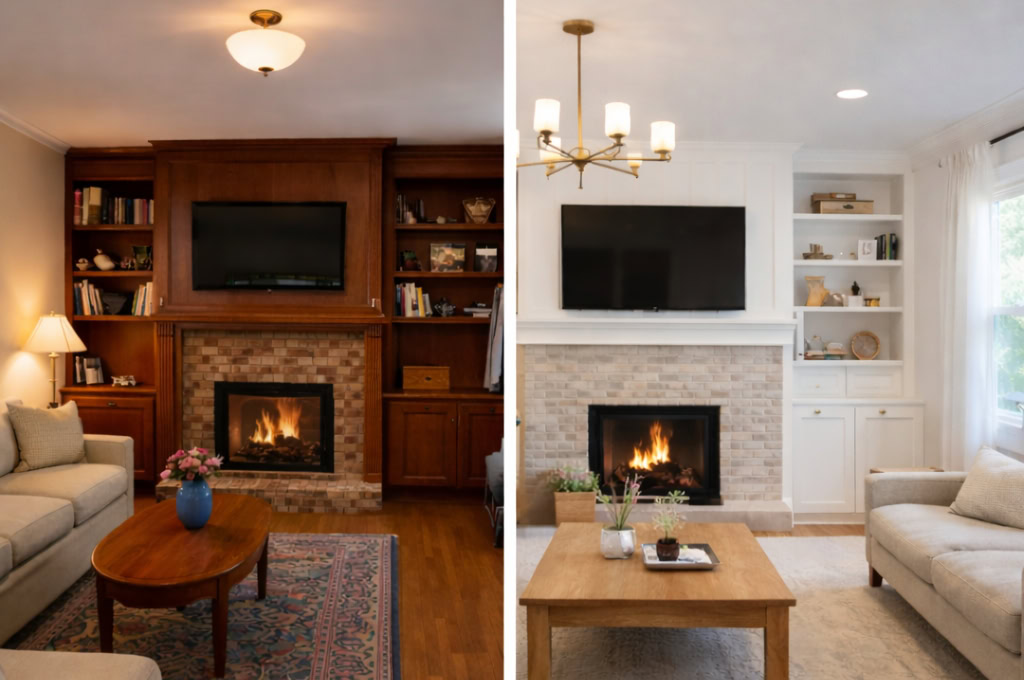
A buyer may be comfortable maintaining a home as it is, while another may want to remodel, add space, or restore original details. Your agent should ask about those plans early, then help identify what needs to be confirmed before you purchase.
For a property in a City Landmark District, exterior work may require a Certificate of Appropriateness before work begins. The City explains that some requests receive staff review, while substantial alterations may require Landmark Commission review. Other districts have their own review processes. Buyers should check the applicable ordinance and confirm requirements with City staff.
A useful agent will help distinguish between questions that belong to the inspector, contractor, architect, preservation planner, or City official. That coordination can keep a buyer from making assumptions about a project before its feasibility is known.
5. Look for clear advice about value and trade-offs
Historic homes can vary widely in condition, renovation quality, layout, and preservation. An agent should be able to explain how those factors affect comparable sales and buyer demand without promising that a renovation will return its full cost.
Ask how the agent would evaluate a home that needs work, compare it with renovated sales, or account for an addition that changed the original layout. You should hear a reasoned explanation of the available market evidence, along with a clear distinction between known facts and items that still need investigation.
Questions to ask before choosing an agent
- Which East Dallas neighborhoods have you worked in recently?
- How do you verify whether a home is in a Landmark or conservation district?
- How would you help me investigate prior renovations or additions?
- Which inspections or specialists might be useful for this property?
- How do you help buyers evaluate a home that needs work?
- What would you do if my renovation plans may require City review?
The answers should be specific and measured. A Realtor should be comfortable saying when a question needs to go to an inspector, engineer, contractor, architect, attorney, or City official.
Work With Susan Georgeson, an East Dallas Historic House Specialist
Susan Georgeson has more than 20 years of Dallas real estate experience and holds the Historic House Specialist designation through Preservation Dallas. The program covers Dallas architectural history, historic and conservation district designations, sustainability, and research into a building’s history.
Susan helps buyers compare East Dallas neighborhoods, evaluate property information, coordinate the appropriate specialists, and understand which questions need further review. She does not replace inspectors, engineers, contractors, attorneys, or City officials.
To discuss buying a historic home in East Dallas, contact Susan.