

Why Pricing an East Dallas Home Requires Local Context
Setting the list price for an East Dallas home requires more than reviewing recent sales and calculating an average price per square foot. The area contains a wide range of neighborhoods, architectural styles, lot configurations, renovation levels, and location influences. Those differences can produce substantial price variations between homes that appear similar on paper.
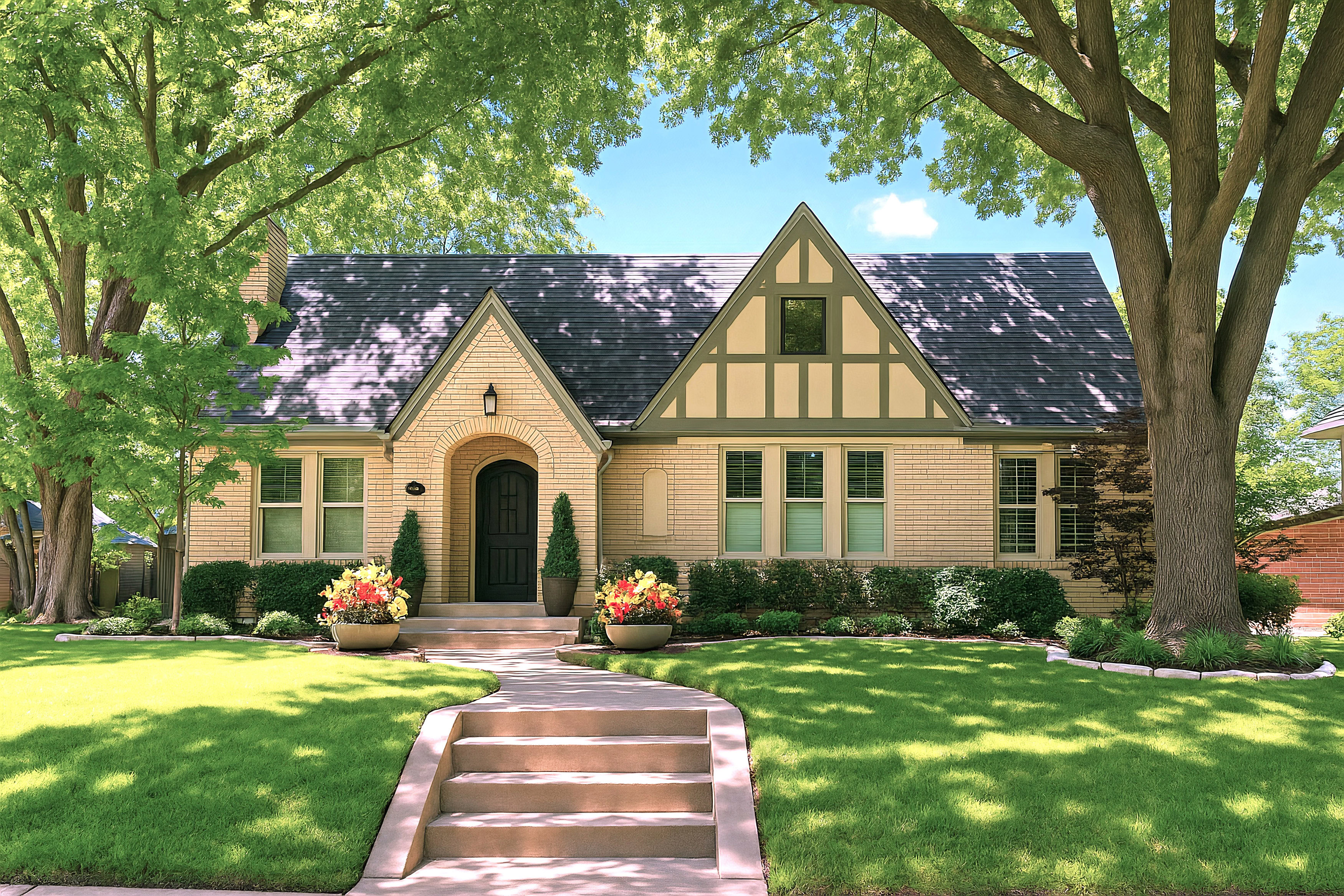
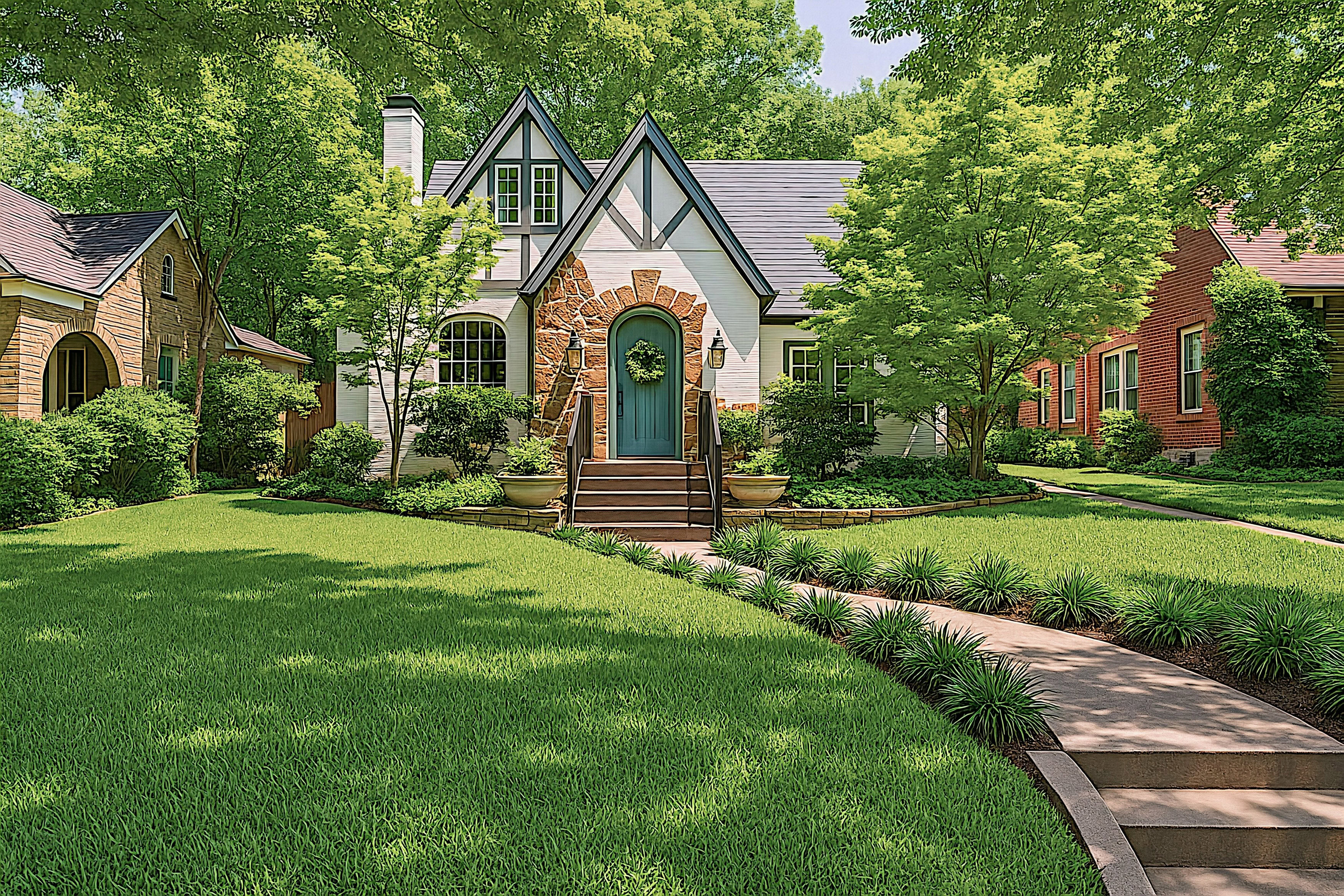
A Tudor in Greenland Hills should not be evaluated the same way as a mid-century home near White Rock Lake or a newer custom home in Forest Hills. Even within the same neighborhood, buyers may respond differently based on the block, floor plan, architectural integrity, renovation quality, lot position, and proximity to local amenities.
The right list price reflects how buyers are likely to compare the property with the alternatives available when it enters the market.
Comparable Sales Are the Starting Point
Recent sales provide the foundation for an East Dallas home valuation, but choosing the right comparable properties requires judgment.
The most useful sales generally share several characteristics with the subject property:
- Neighborhood or competing location
- Architectural style and age
- Living area and floor plan
- Lot size and position
- Renovation level and overall condition
- Garage configuration
- Pool, guest quarters, or other major improvements
- Historic or conservation district considerations
A nearby sale is not automatically a good comparable. A fully renovated home with a functional addition may appeal to a different buyer than an original-condition property of similar size. A home on a quiet interior street may also command a different price than one located on a busier road.
Susan Georgeson evaluates which sales buyers and appraisers are most likely to consider relevant, then adjusts for the differences that influence value.
Price per Square Foot Has Limitations
Price per square foot can be useful when comparing similar properties, but it should not be treated as a stand-alone valuation method.
East Dallas homes often include additions completed at different times, converted spaces, detached guest quarters, unusual floor plans, and varying levels of finish. Two homes with the same reported square footage may provide very different experiences.
Smaller homes also frequently sell for a higher price per square foot than larger homes in the same area. Applying a neighborhood average without considering size, condition, architecture, and functionality can lead to an inaccurate conclusion.
Price per square foot is one part of the analysis, not the answer.
Condition and Renovation Quality Matter
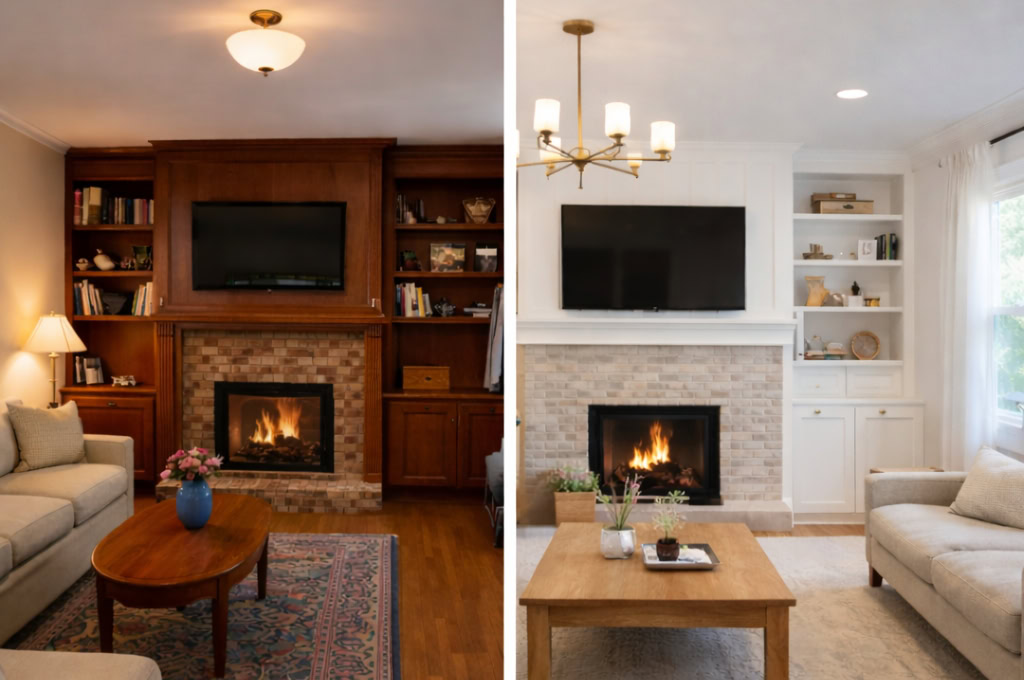
Buyers do not place the same value on every renovation. Workmanship, design choices, layout, materials, permitting, and consistency with the home’s architecture all affect how an updated property is received.
A well-executed renovation may reduce the work a buyer expects to take on and support a stronger price. Cosmetic updates that leave major systems or functional issues unresolved may have less effect on value.
Original-condition homes can still attract strong interest when they are priced to reflect the work involved. Some buyers specifically want an opportunity to renovate, but they usually account for project costs, uncertainty, and the time required when determining what they are willing to pay.
Before recommending a price, Susan considers how the home will compare with both renovated and unrenovated alternatives.
Location Differences Extend Beyond the Neighborhood Name
Neighborhood reputation matters, but value can also vary from one block to another.
East Dallas buyers may consider:
- Proximity to White Rock Lake, trails, parks, and retail
- Interior street versus major thoroughfare
- Traffic and road noise
- Lot elevation, drainage, and topography
- Alley and garage access
- Views and nearby green space
- Surrounding construction and redevelopment
- Historic or conservation district restrictions
- The condition and character of neighboring properties
These details may not be obvious in automated valuations. They often become important when buyers compare homes in person.
Current Competition Influences the Pricing Decision
Closed sales show what buyers paid in the past. Active and pending listings help explain the choices buyers have now.
A seller may be competing against homes in the same neighborhood, but buyers often compare several nearby areas within a similar price range. The analysis should consider how the property compares with all reasonable alternatives, not just homes within a narrowly defined boundary.
Market conditions also change. A price that worked during a busier spring market may not produce the same response later in the year. Interest rates, inventory, buyer confidence, and the number of competing listings can all affect activity.
Pricing should reflect the market the home is entering, not simply the market the seller hopes still exists.
Why Starting Too High Can Be Difficult to Correct
Sellers sometimes choose a higher list price to leave room for negotiation. The risk is that buyers may not view the home as a reasonable candidate at all.
The first days on the market typically bring the greatest exposure to active buyers. If the price is noticeably out of line with the property’s condition or competing listings, buyers may decide to wait for a reduction or focus on other homes.
A later price adjustment can help, but it does not completely recreate the attention that accompanies a new listing. Accumulating market time may also cause buyers to question why the property has not sold, even when the only issue was the original price.
This does not mean every home should be priced aggressively low. It means the initial price should be defensible, competitive, and aligned with the seller’s priorities.
Pricing Strategy Should Reflect the Seller’s Goals
There is no single pricing strategy for every seller.
A homeowner who values a predictable timeline may make different decisions from someone who has greater flexibility. The condition of the property, preparation budget, showing requirements, and desired closing date can all affect the recommended approach.
A strong pricing consultation should address:
- The likely market value range
- A recommended list price
- The reasoning behind that recommendation
- Expected buyer response
- Current competing inventory
- Preparation that could improve the outcome
- Timing and showing considerations
- A plan for evaluating early market feedback
The seller should understand both the potential benefit and the risk of each pricing option.
Pricing is one part of a strong launch. See what goes into preparing an East Dallas home for sale, from repairs and staging to photography and timing.
Request an East Dallas Home Valuation
Online estimates cannot fully account for renovation quality, architecture, lot characteristics, additions, interior condition, or block-specific influences.
Susan Georgeson provides property-specific market analyses for East Dallas homeowners. Each valuation considers relevant sales, current competition, property condition, location, and the seller’s timing and objectives.
A preliminary analysis can provide an initial value range. The recommendation can then be refined after Susan tours the property and evaluates its condition, improvements, and market presentation.
Work With Susan Georgeson
Susan Georgeson has more than 20 years of Dallas real estate experience and extensive knowledge of East Dallas homes and neighborhoods. She helps sellers determine how their property fits within the current market, identify preparation that may improve the result, and choose a pricing strategy supported by relevant evidence.
From the initial valuation through marketing, negotiation, and closing, Susan provides direct guidance based on the property and the seller’s priorities.










Leave A Comment
You must be logged in to post a comment.