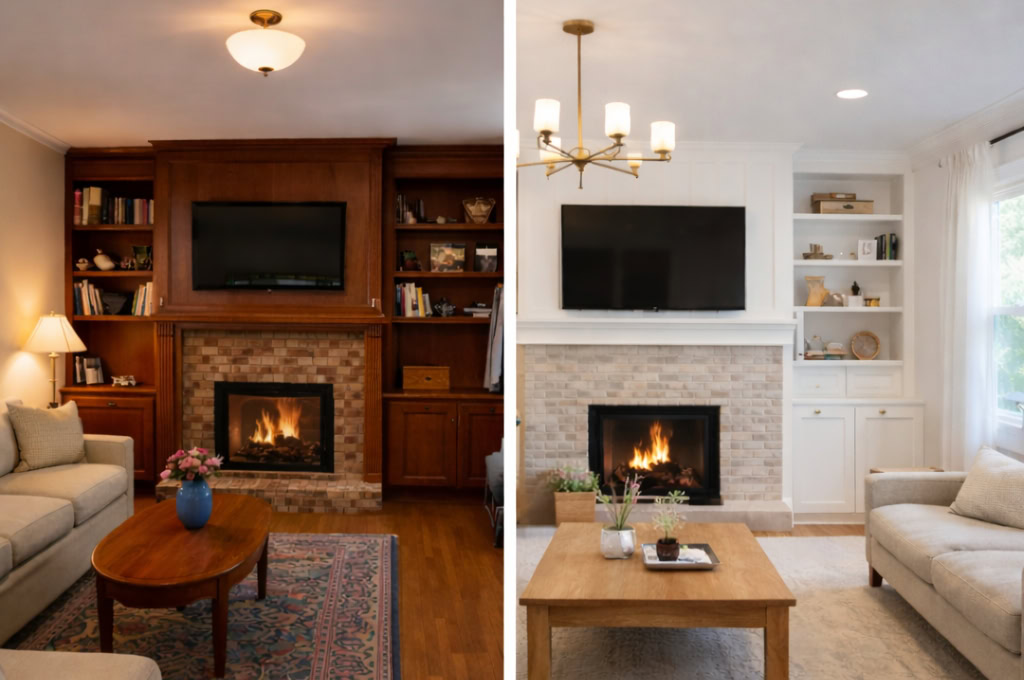
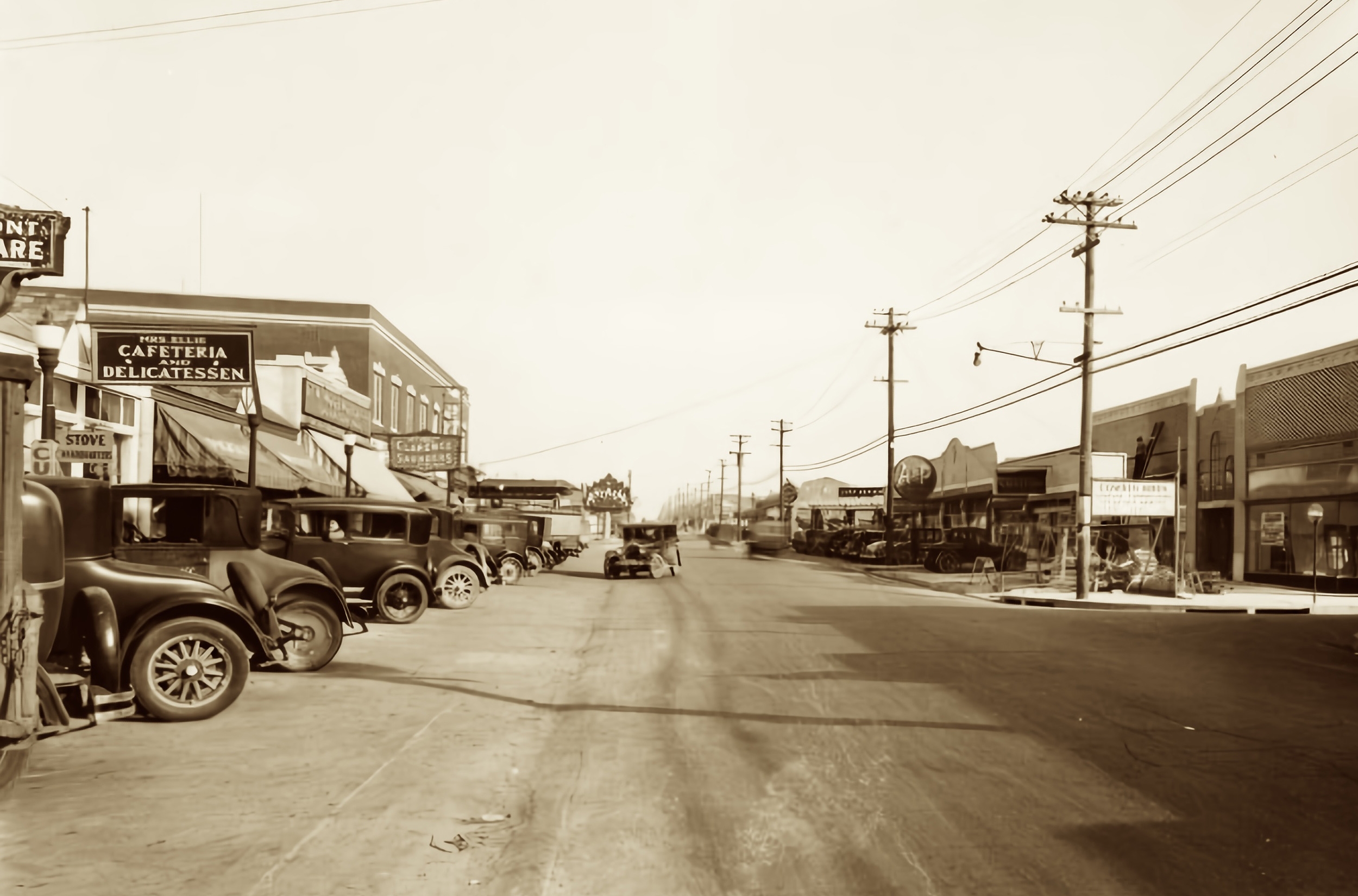
In East Dallas, renovation rules vary block by block because many neighborhoods fall inside conservation or historic overlay districts. These overlays are local regulations that sit on top of standard zoning. Zoning controls size and setbacks, while overlays control how a home looks and how much it can change.
Because of that, two houses with the same lot size can have completely different renovation paths. One may allow a large addition or rebuild, while another requires preserving the original structure and streetscape.
Understanding which layer applies is often the deciding factor in whether a renovation is straightforward or heavily restricted.
Why preservation overlays, zoning, and neighborhood design determine what you can change and how far a home can evolve
East Dallas neighborhoods often look similar at first glance. Mature trees, early-20th-century homes, and walkable streets create a consistent feel, yet renovation possibilities differ dramatically.
Yet renovation possibilities can differ dramatically from one neighborhood to the next.
Dallas uses the same building code citywide. The variation comes from preservation overlays and neighborhood development standards that shape how homes are allowed to evolve over time.
This article focuses on the neighborhoods where those differences most affect real buying and renovation decisions.
The three rule systems that affect every renovation
Understanding East Dallas becomes much simpler once these are separated.
1. Building Code: How something must be built
Administered by City of Dallas Building Inspection. This governs safety:
- Structural support
- Electrical systems
- Plumbing
- Fire separation
- Energy efficiency
If engineered correctly, a project meets building code anywhere in Dallas. This does not vary by neighborhood.
2. Zoning Standards: The size of the building envelope
Administered by City Planning. This regulates:
- Setbacks
- Height limits
- Lot coverage
- Accessory structures
These rules apply across the city and are generally predictable.
3. Overlay and Preservation Regulations: Where opportunities change
Administered by conservation districts or the Landmark Commission. These determine how a home can grow while maintaining neighborhood character.
They control:
- Second story placement
- Addition visibility
- Window proportions
- Porch depth
- Roof forms
- Demolition approval
- Architectural compatibility
A project can meet engineering standards and still be denied if it conflicts with neighborhood preservation rules.
Think of it simply:
- Building code determines how to build
- Overlay regulations determine what can be built
Why this affects value
Two similar homes can have very different long term paths:
- One can expand significantly vs. One must remain close to original size
- One can be replaced vs. One must be preserved
Renovation flexibility influences buyer demand and resale potential because it determines how the home can adapt over time.
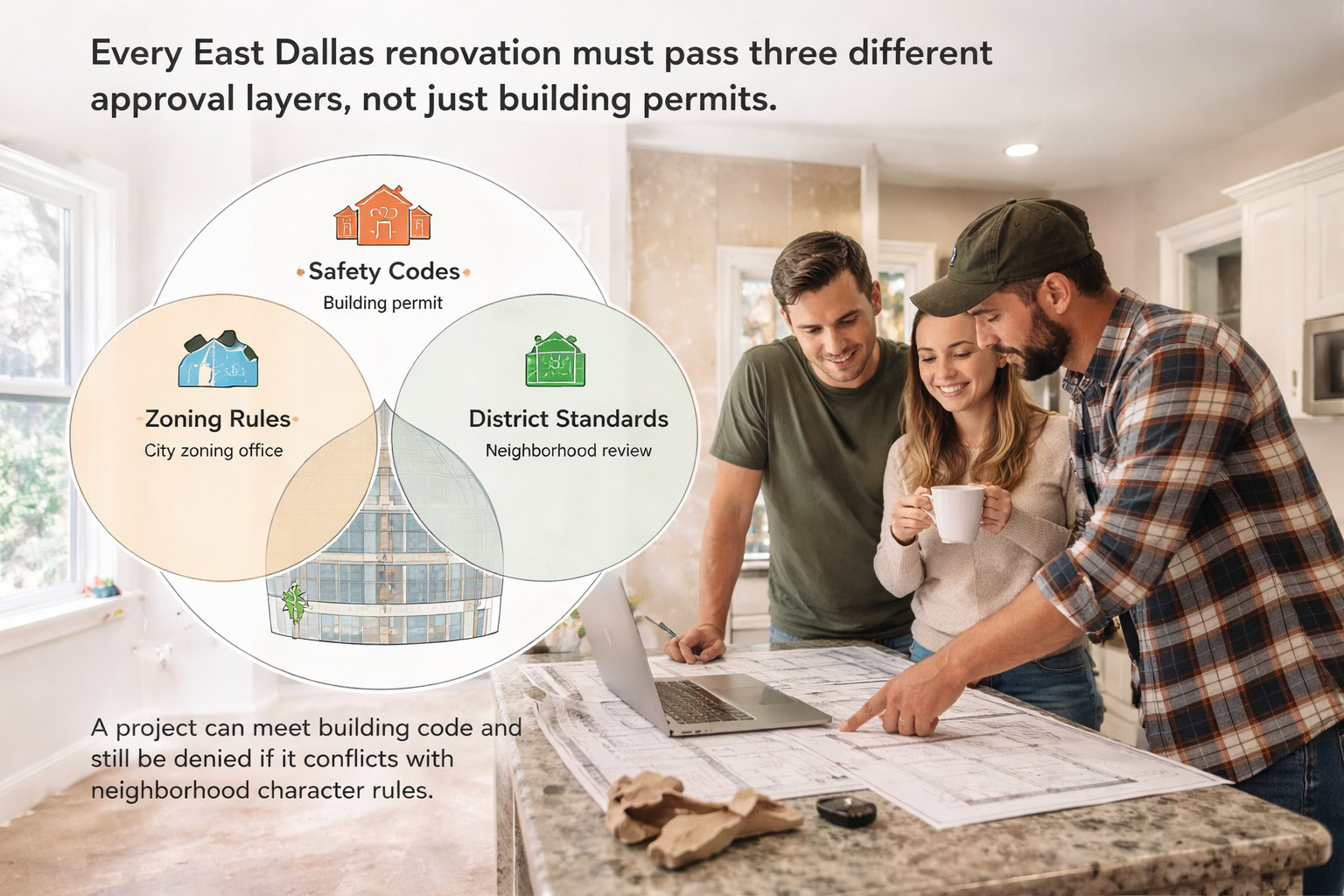
These three layers operate independently, and all must be satisfied before a permit is issued.
Where renovation opportunities differ most
Front character preservation.
Typical outcome:
Large rear additions are common, but the original street presence remains intact.
Best suited for:
Buyers wanting historic charm with expanded interior space
What surprises buyers:
Second stories must step back farther than expected
A mix of conservation districts and standard zoning.
Typical outcome:
Redevelopment flexibility varies from block to block
Best suited for:
Buyers willing to confirm property-specific rules before planning
What surprises buyers:
Nearby homes may have very different build potential
Full historic preservation oversight.
Typical outcome:
Exterior changes require approval and demolition is rare
Best suited for:
Buyers prioritizing authenticity and preservation
What surprises buyers:
Window changes can be more restricted than room additions
Moderate conservation protection.
Typical outcome:
Homes can grow while maintaining streetscape consistency
Best suited for:
Buyers planning gradual expansion over time
What surprises buyers:
Garage placement rules influence addition design
Highest level of preservation oversight.
Typical outcome:
Alterations must be historically appropriate
Best suited for:
Owners committed to maintaining historic architecture
What surprises buyers:
Exterior materials often require approval
Compatibility focused conservation district.
Typical outcome:
Rebuilds allowed but must match scale and style patterns
Best suited for:
Buyers wanting newer homes that still fit the neighborhood
What surprises buyers:
You can rebuild, but not redesign the streetscape
The chart below summarizes how renovation flexibility differs across these neighborhoods.
| Neighborhood | Primary Review Authority | Typical Renovation Flexibility | Common Surprise Limitation |
|---|---|---|---|
| M Streets / Greenland Hills | Conservation District | Rear additions and expansions common | Second stories must step back significantly |
| Lakewood (varies by section) | Mixed zoning + conservation overlays | Depends heavily on specific block | Homes across the street may have different rules |
| Junius Heights Historic District | Landmark Commission | Exterior changes tightly controlled | Windows and materials reviewed for accuracy |
| Swiss Avenue Historic District | Historic District (strict) | Restoration favored over redesign | Demolition rarely approved |
| Belmont Addition | Base zoning | Good expansion flexibility | Lot coverage limits reached quickly |
| Santa Monica / Hollywood Heights | Compatibility Conservation District | Rebuild allowed within scale rules | New builds must match neighborhood massing |
What about other East Dallas neighborhoods?
Many East Dallas neighborhoods follow standard zoning without overlay review. Renovation feasibility in those areas is typically determined by setbacks, height limits, and engineering rather than architectural approval. They still have rules, but outcomes are predictable and rarely tied to preservation review. The neighborhoods above are highlighted because they are where renovation possibilities most often influence buying decisions.
Why This Matters Before You Buy in East Dallas
Before planning a major addition, second story, or rebuild, confirm whether the property sits inside a conservation or historic overlay district. Engineering determines how a project is built. The neighborhood determines how a home can evolve. In East Dallas, choosing the right neighborhood often matters as much as choosing the right house.