Discover the rich architectural heritage and unique history of East Dallas neighborhoods through the decades from the mid-1800s to today.
East Dallas, with its rich tapestry of history and culture, offers more than just a glimpse into the city’s past—it showcases more than a century of architectural evolution and community development. As we explore the history of East Dallas and its neighborhoods, we journey through time, starting from when this area was an independent city through its growth into one of Dallas’s most cherished districts.
Peak’s Suburban Addition – Year: 1855
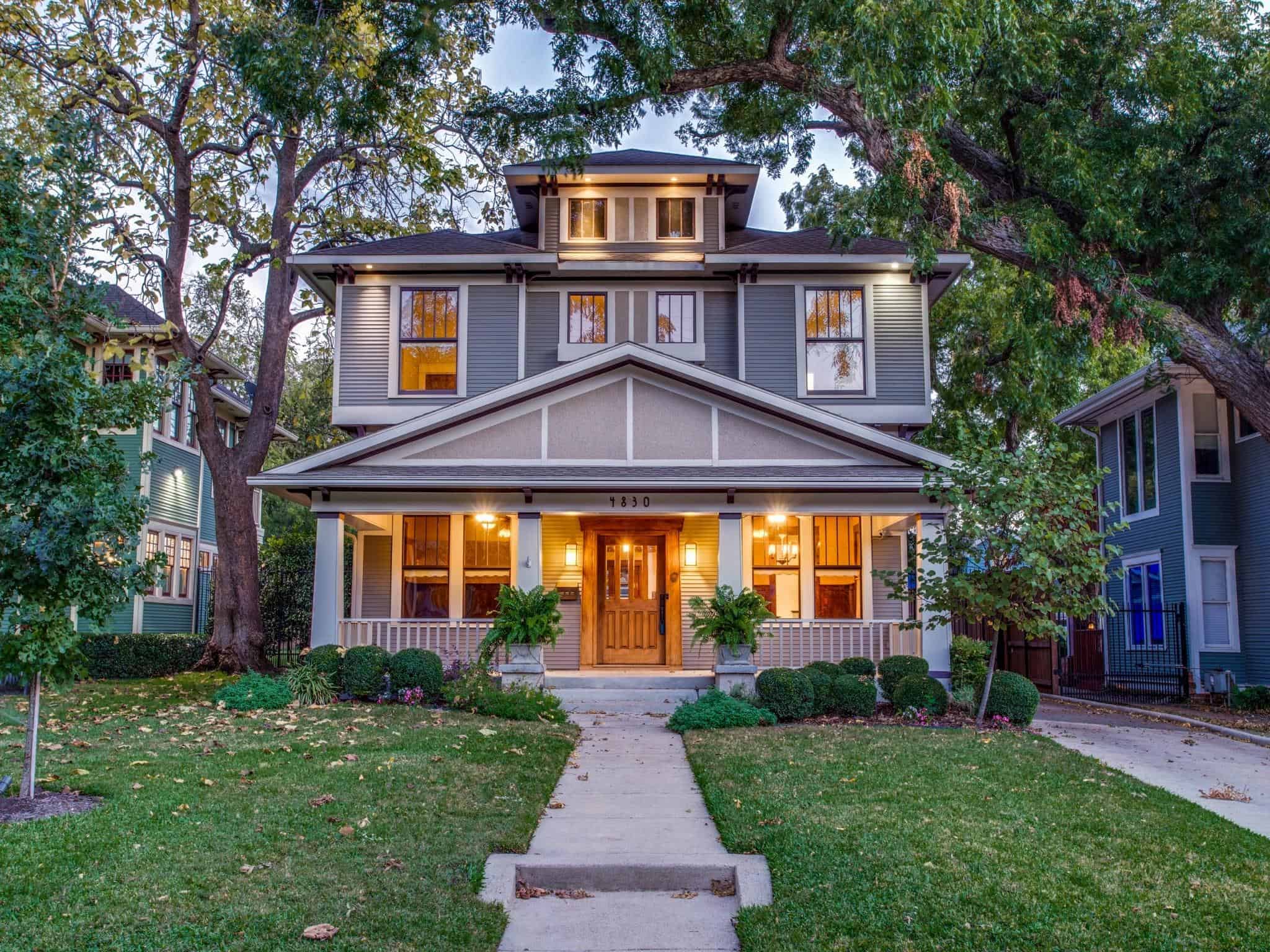
Peak’s Suburban Addition is East Dallas’s oldest residential neighborhood, with some claiming it predates the city of Dallas itself, which was chartered in 1856. The neighborhood began in 1855 when Colonel Jefferson Peak built the first brick house in Dallas at the corner of Worth and Peak Streets. Peak, a major landowner, owned land from Elm to Capitol and Carroll to Haskell. Many East Dallas streets still bear the names of Peak and his children: Junius, Worth, Victor, and Carroll. Peak’s Suburban Addition offers a snapshot of Dallas’s residential architecture from the 1890s through the 1930s, featuring styles like Queen Anne, Tudor Revival, Classical Revival, Mission Revival, and Craftsman bungalows. It also contains excellent examples of streetcar apartments from the 1920s and 30s.
Belmont Addition – Year: 1890
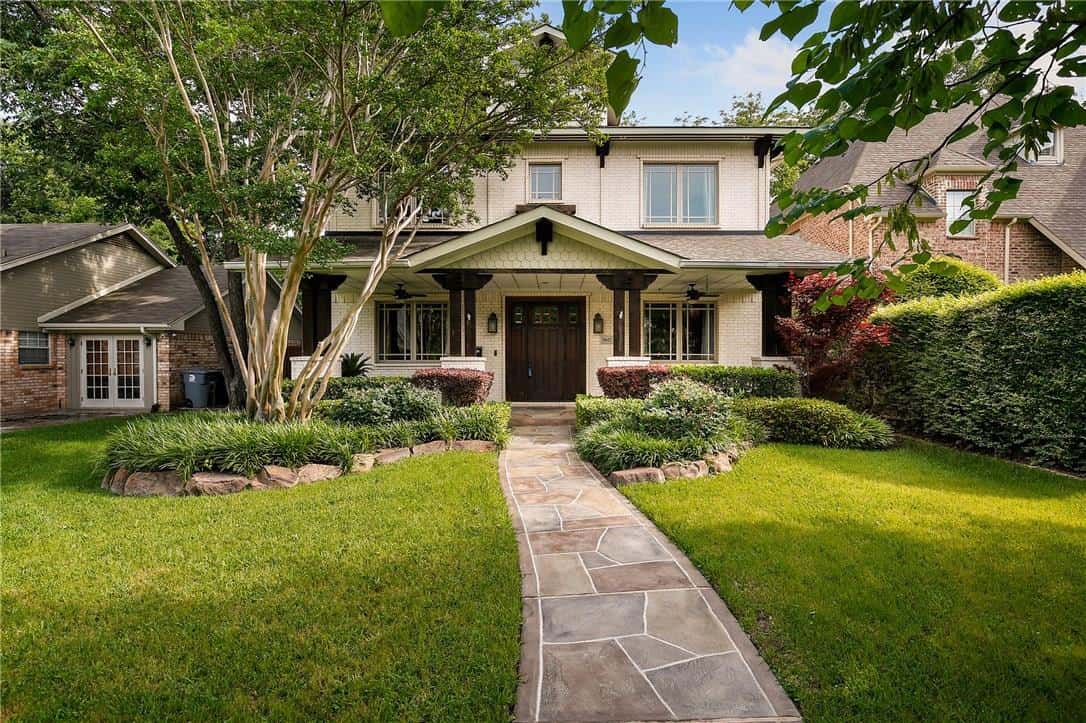
The visionary Colonel Henry Exall purchased 170 acres of land on March 22, 1890, and by May 1, 1890, he had submitted a plat map for 624 lots of the Belmont Addition, the first deed-restricted neighborhood in Dallas. Each home is perched on raised lots, offering a sense of privacy and community rarely found in urban settings. Among these properties you’ll find Craftsman bungalows, Prairie-style four squares, and stately brick Tudors nestled among mature trees.
Munger Place – Year: 1905
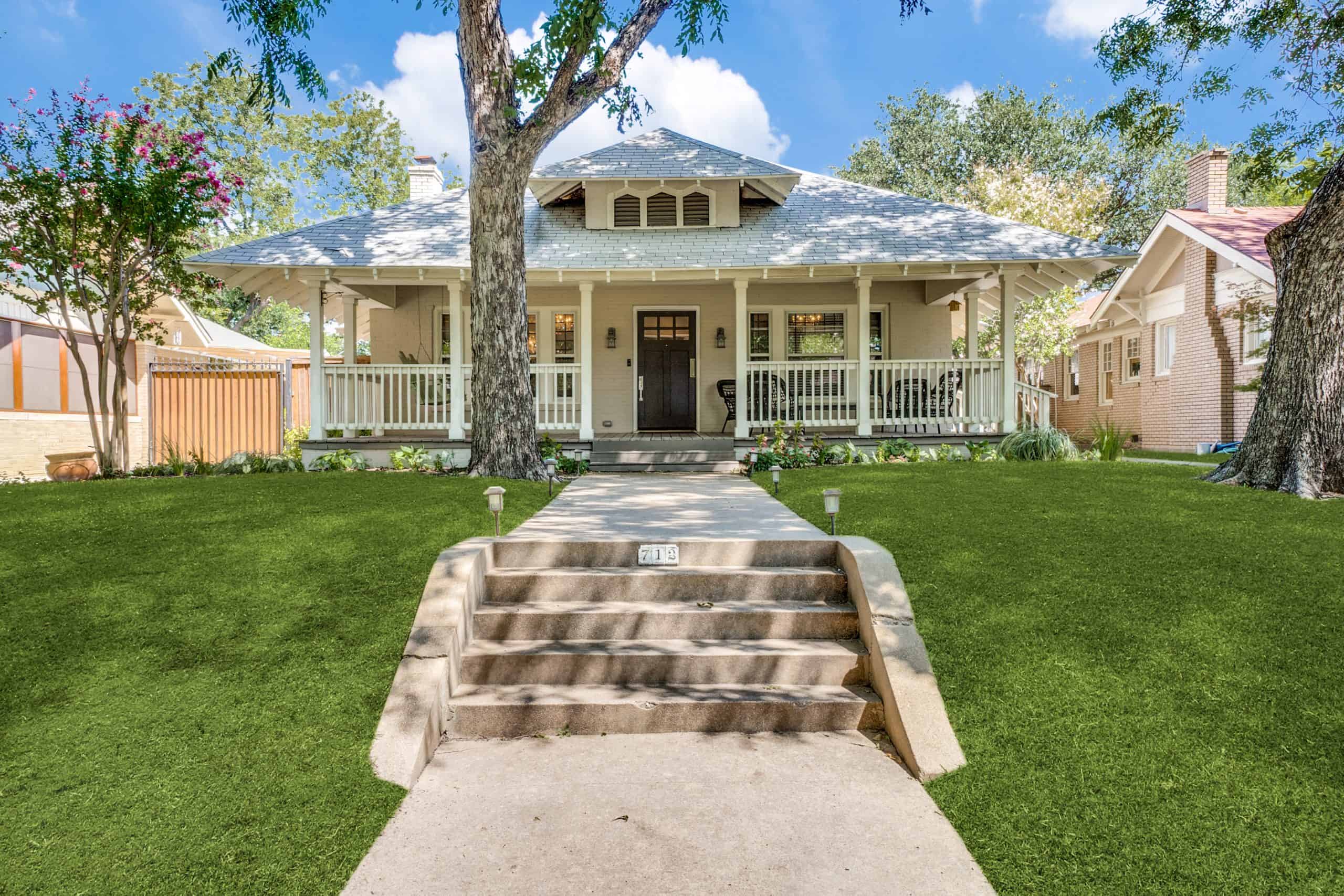
Munger Place was established in 1905 by cotton-gin manufacturer Robert S. Munger on 300 acres as one of Dallas’s first suburbs and was originally intended to be one of the most exclusive communities in the city. To attract the “right” social element, Munger Place was carefully planned.
Swiss Avenue – Year: 1905
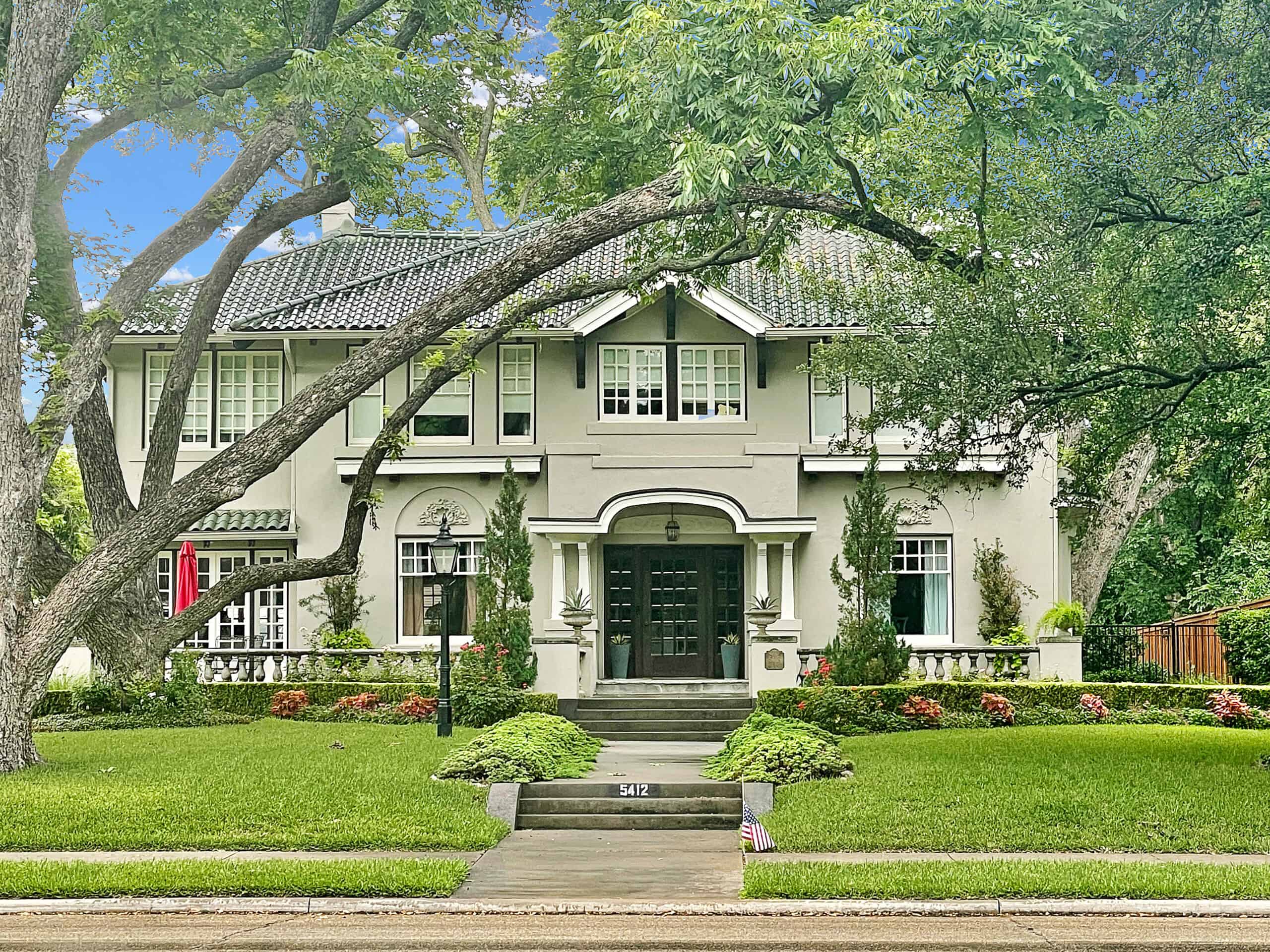
In 1857, Swiss immigrant Henri Boll named a muddy country lane in honor of his homeland: Swiss Avenue. The boulevard was later expanded and paved as part of Munger Place, a 140-acre upscale residential area developed in 1905 by cotton-gin manufacturer R. S. Munger (1854–1923). To ensure a unified neighborhood appearance, Munger required homes to be two stories high and cost at least $10,000. Despite these guidelines, residents had the freedom to choose from various popular early-20th-century architectural styles, resulting in a diverse collection of Tudor Revival, Georgian Revival, and Frank Lloyd Wright’s Prairie-Style homes.
Junius Heights – Year: 1906
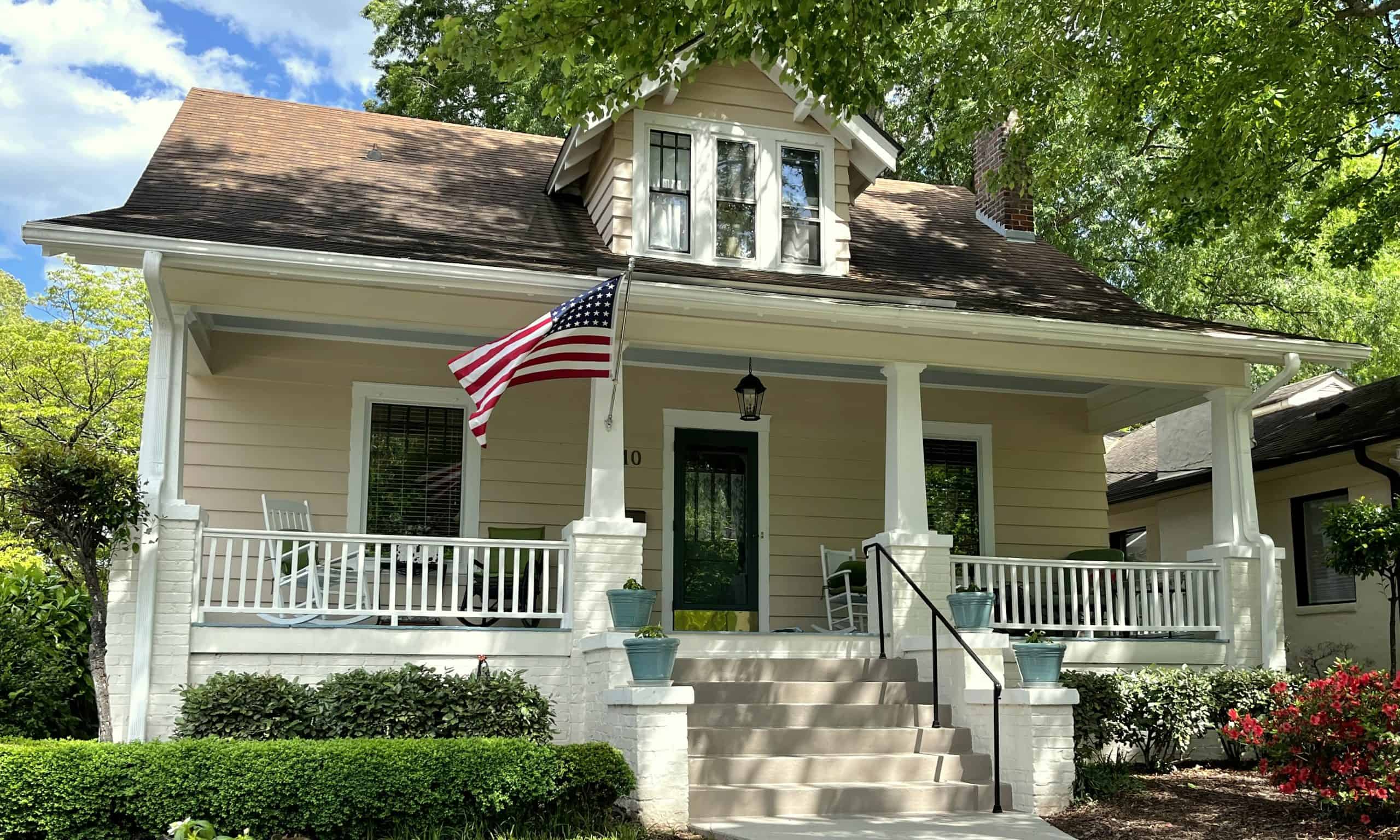
Established in 1906, Junius Heights is a historic East Dallas neighborhood known for its rich collection of Arts-and-Crafts bungalows, along with Prairie, Colonial Revival, and Tudor Revival homes. Originally marketed as a streetcar suburb, it grew rapidly through the 1920s and 1930s. In the 1980s, residents began preservation efforts, leading to the neighborhood’s designation as a historic district in 2005.
Forest Hills – Year: 1910
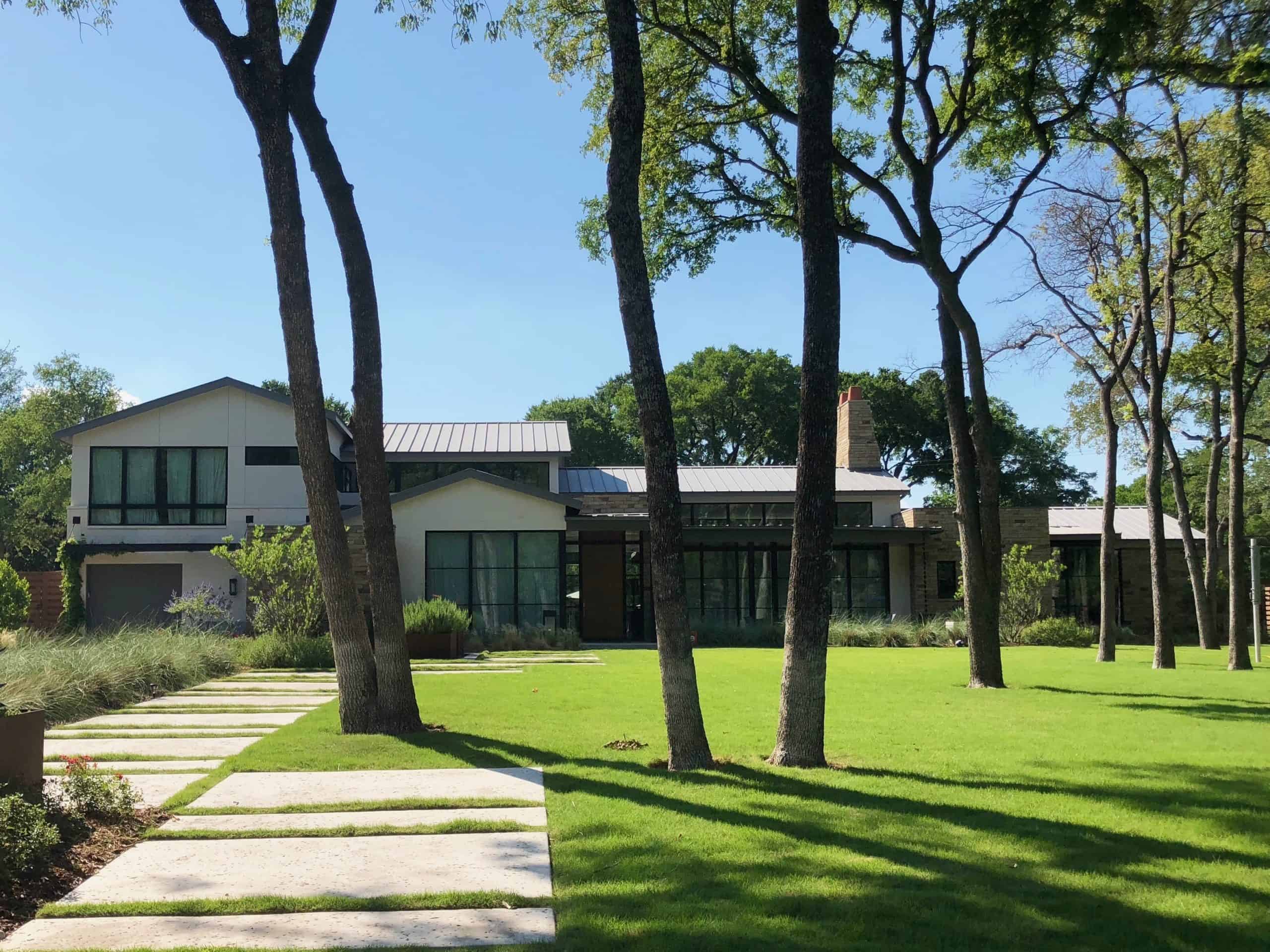
Forest Hills boasts a rich history dating back to the 1920s and 1930s. This neighborhood emerged as part of Dallas’s suburban expansion, attracting affluent families and professionals seeking a calming retreat near White Rock Lake. Known for a diverse mix of architectural styles, including Tudor Revival, Colonial Revival, and Spanish Eclectic, Forest Hills showcases exquisite craftsmanship and attention to detail. Over the years, the neighborhood has experienced steady growth while preserving its historic character, with newer homes blending seamlessly with the original architecture.
Vickery Place – Year: 1911
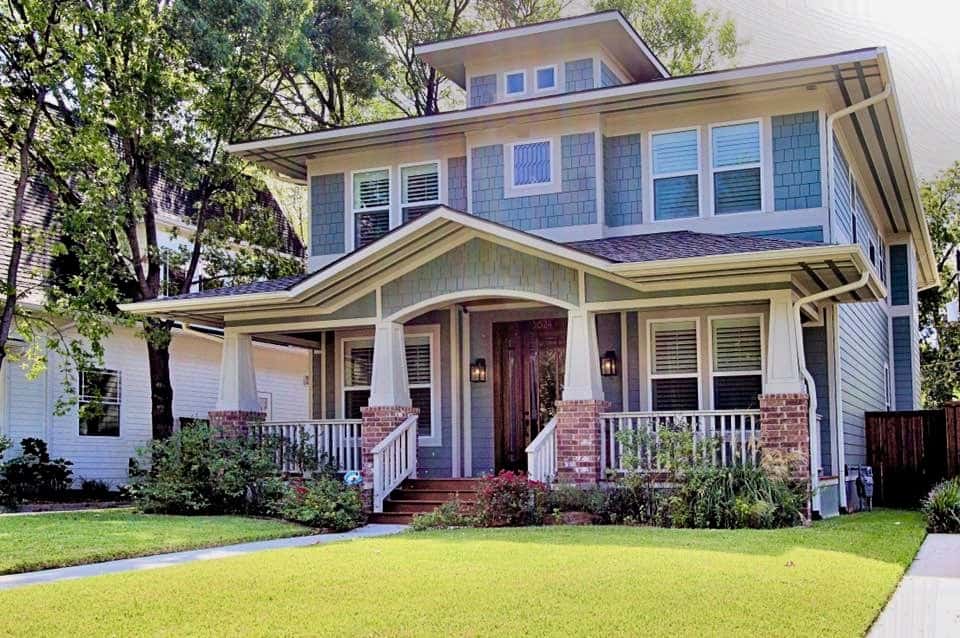
One of Dallas’s oldest neighborhoods, Vickery Place features Prairie, Craftsman, and Tudor bungalows nestled among old-growth pecan trees. Established in August 1911 from the survey of three farms, the neighborhood gained conservation district status on June 28, 2006, following a community-led initiative to preserve its historic homes and prevent the construction of oversized houses that didn’t fit the area’s character.
Lakewood Heights – Year: 1914
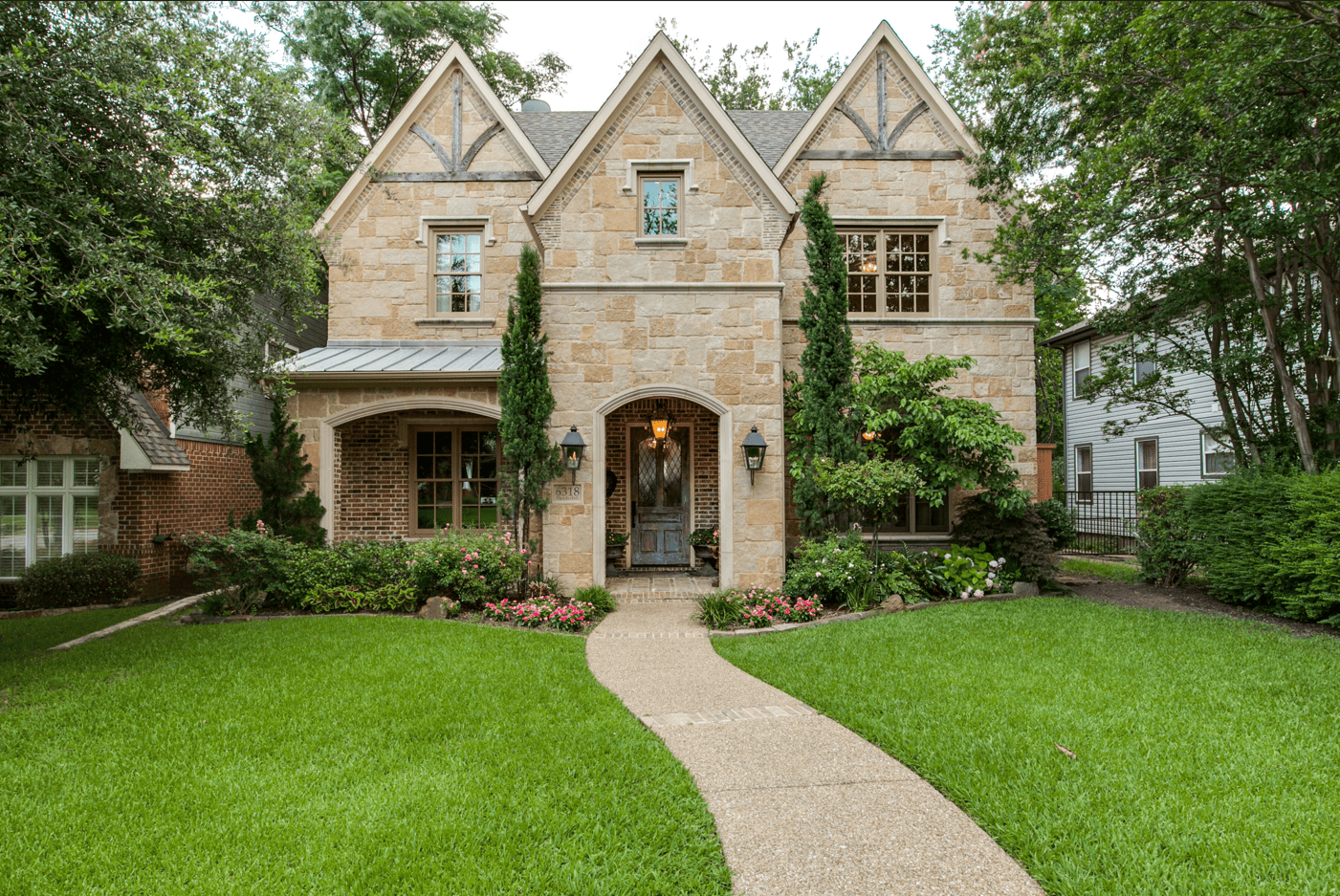
The early-1920s expansion of Dallas facilitated the growth of neighborhoods like Lakewood Heights. Located in the wooded area of East Dallas, Lakewood Heights began development in 1914 and was completed in 1940. Bounded by Monticello to the north, Abrams Road to the east, Richmond to the south, and Skillman to the west, the neighborhood is conveniently located near downtown Dallas. High demand in the 1920s reflected the post-war economic growth in Dallas and the desire for more suburban living. Today, Lakewood Heights is home to around 900 houses, many built in the 1930s, primarily one-story brick houses in Tudor, Spanish cottage, or Craftsman bungalow styles.
Lakewood – Year: 1914
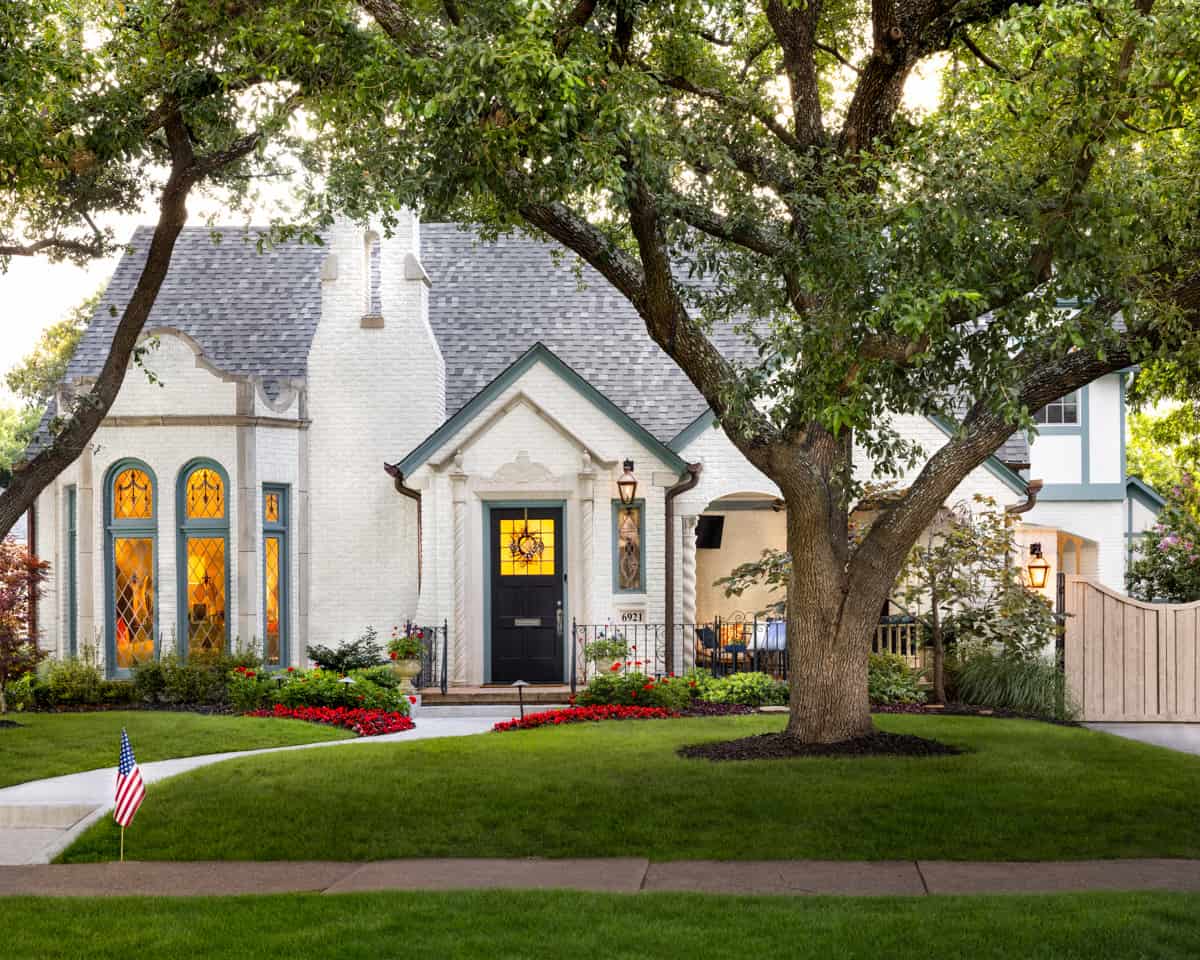
Lakewood, one of East Dallas’s most prestigious neighborhoods, began as farmland and wooded estates in the early 1900s. Development accelerated in the 1920s and 1930s, thanks to its proximity to White Rock Lake and the establishment of the Lakewood Country Club. The area features an eclectic mix of Tudor Revival, Colonial Revival, and Spanish Eclectic homes. Post-war expansion introduced ranch-style houses, while modern preservation efforts have maintained Lakewood’s historic charm. Today, the neighborhood is known for its architectural diversity and tree-lined streets.
Lakewood Hills – Year: 1920s
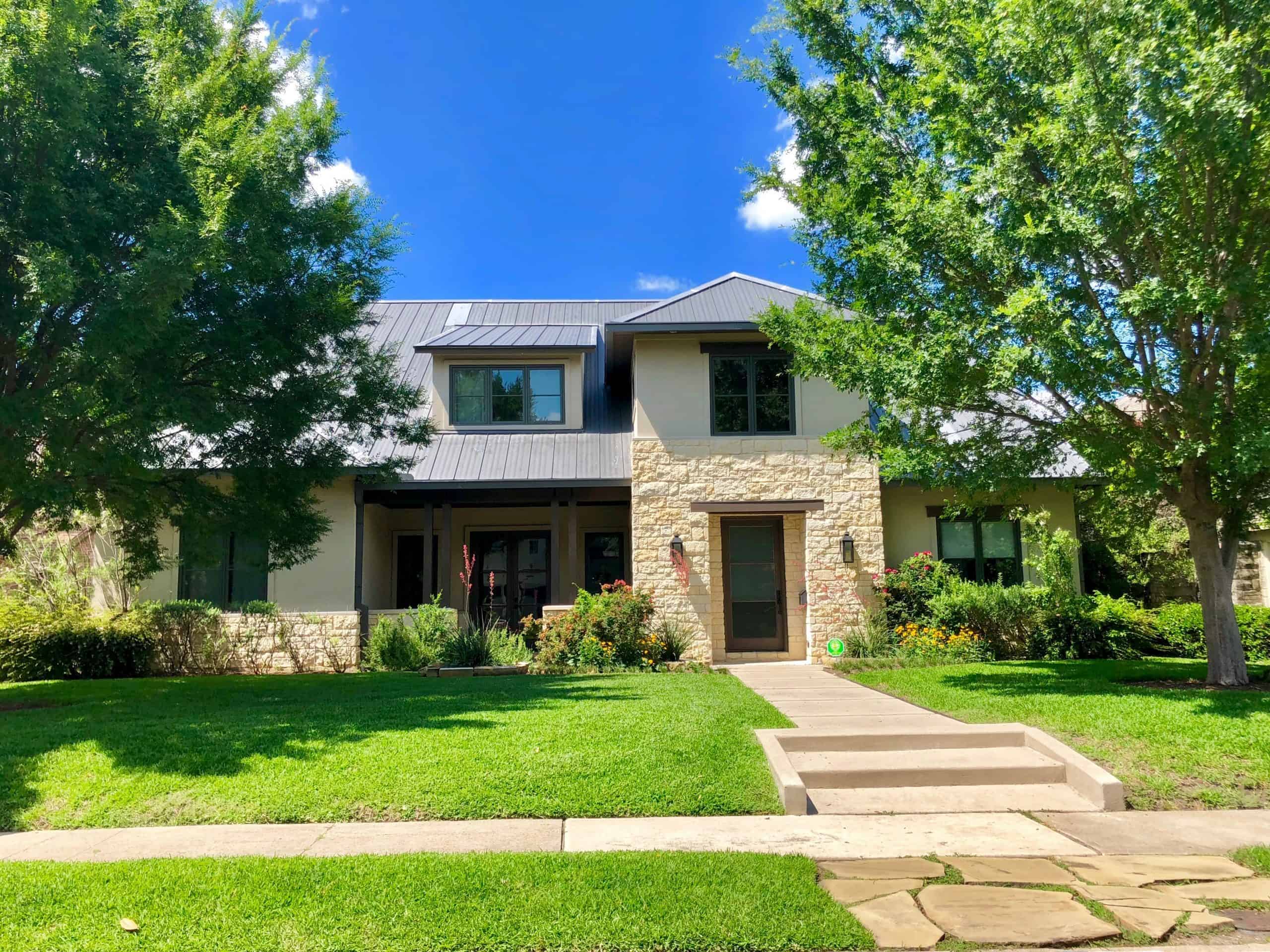
Lakewood Hills was developed in the 1920s as a desirable neighborhood for middle-class families near White Rock Lake. Featuring Tudor Revival, Colonial Revival, Craftsman bungalows, and post-war ranch-style homes, the area reflects the architectural trends of the early and mid-20th century. Its strong community spirit, historic charm, and proximity to the Lakewood Shopping Center and Dallas Arboretum make it a highly desirable part of East Dallas.
Wilshire Heights – Year: 1920s
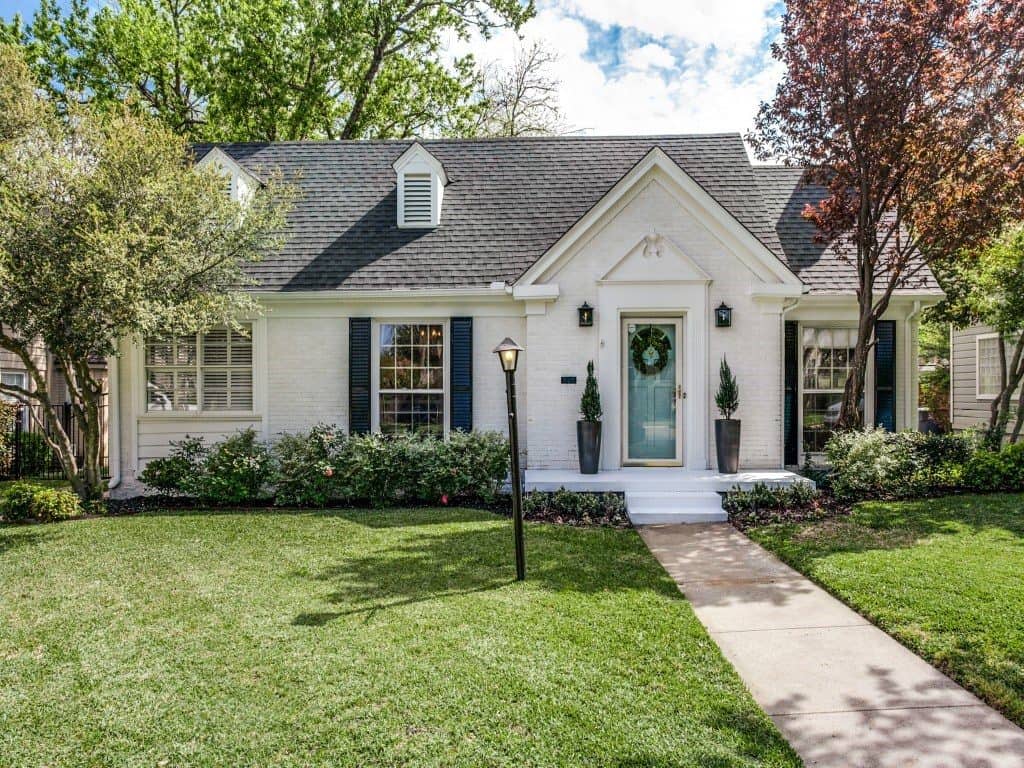
Wilshire Heights began development in the late 1920s and features Tudor Revival, Colonial Revival, and Minimal Traditional homes built primarily between the 1920s and 1950s. Architect David Williams originated the Texas Modern style inspired by Texas and Louisiana indigenous homes. The home at 6292 Mercedes Avenue that he designed for Ray McDowell in 1927 is where Williams shifted from the Spanish Colonial eclecticism prevalent in the 1920s to a more “Texas Colonial” style. The neighborhood grew significantly in the 1940s and 1950s, attracting middle-class families and professionals with its suburban appeal and proximity to downtown Dallas.
Lower Greenville – Year: 1920s
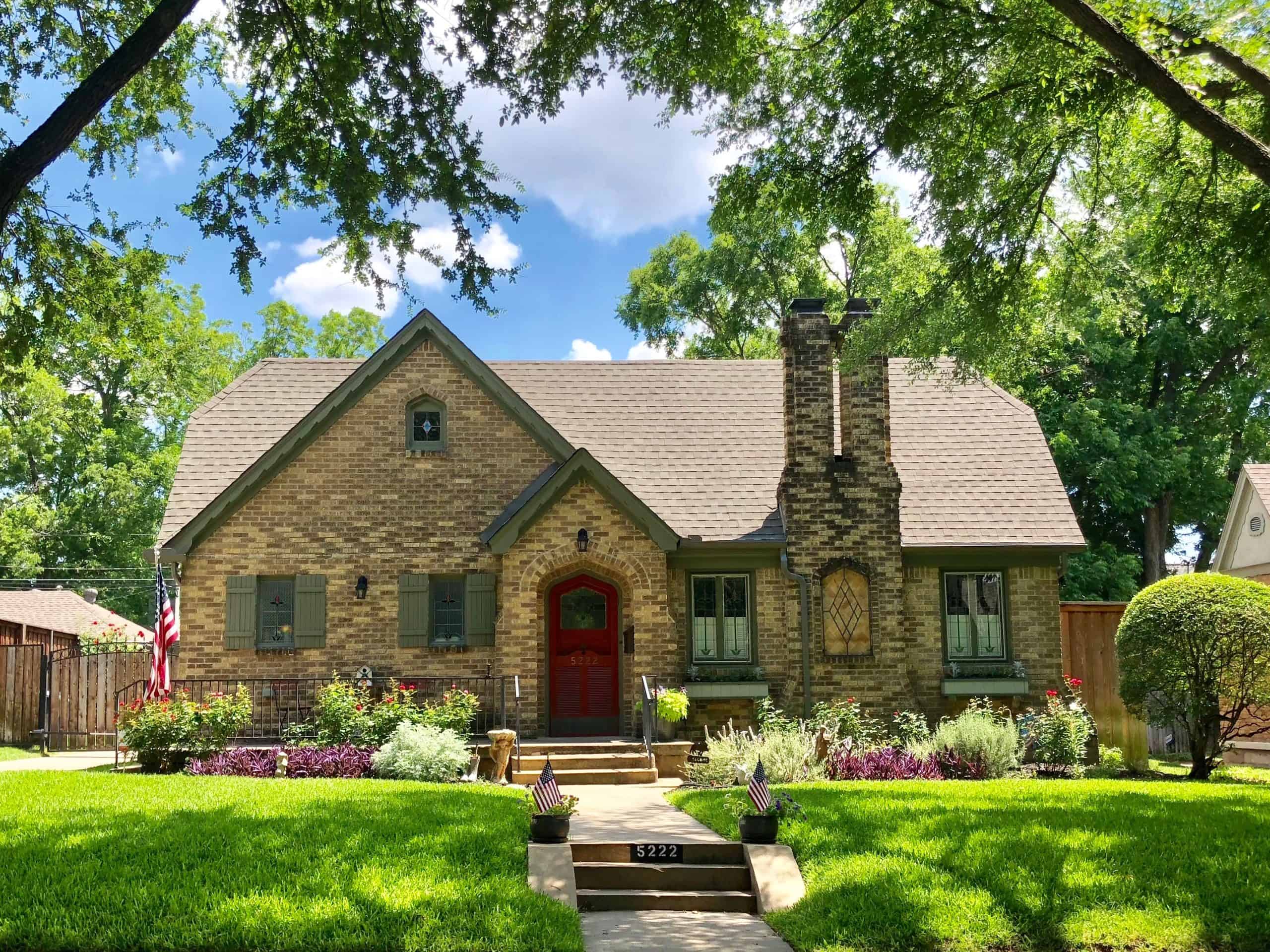
Lower Greenville, developed in the early 20th century as streetcar lines expanded north from downtown Dallas, quickly became a commercial hub for nearby neighborhoods like Vickery Place and Greenland Hills. Known for its Craftsman bungalows and Tudor-style cottages, the area grew further in the 1930s and 1940s, establishing a lively entertainment scene centered around the Arcadia Theater. After a post-war decline, Lower Greenville experienced revitalization in the 1970s and 1980s and today blends historic charm with modern urban living.
Greenland Hills – Year: 1923
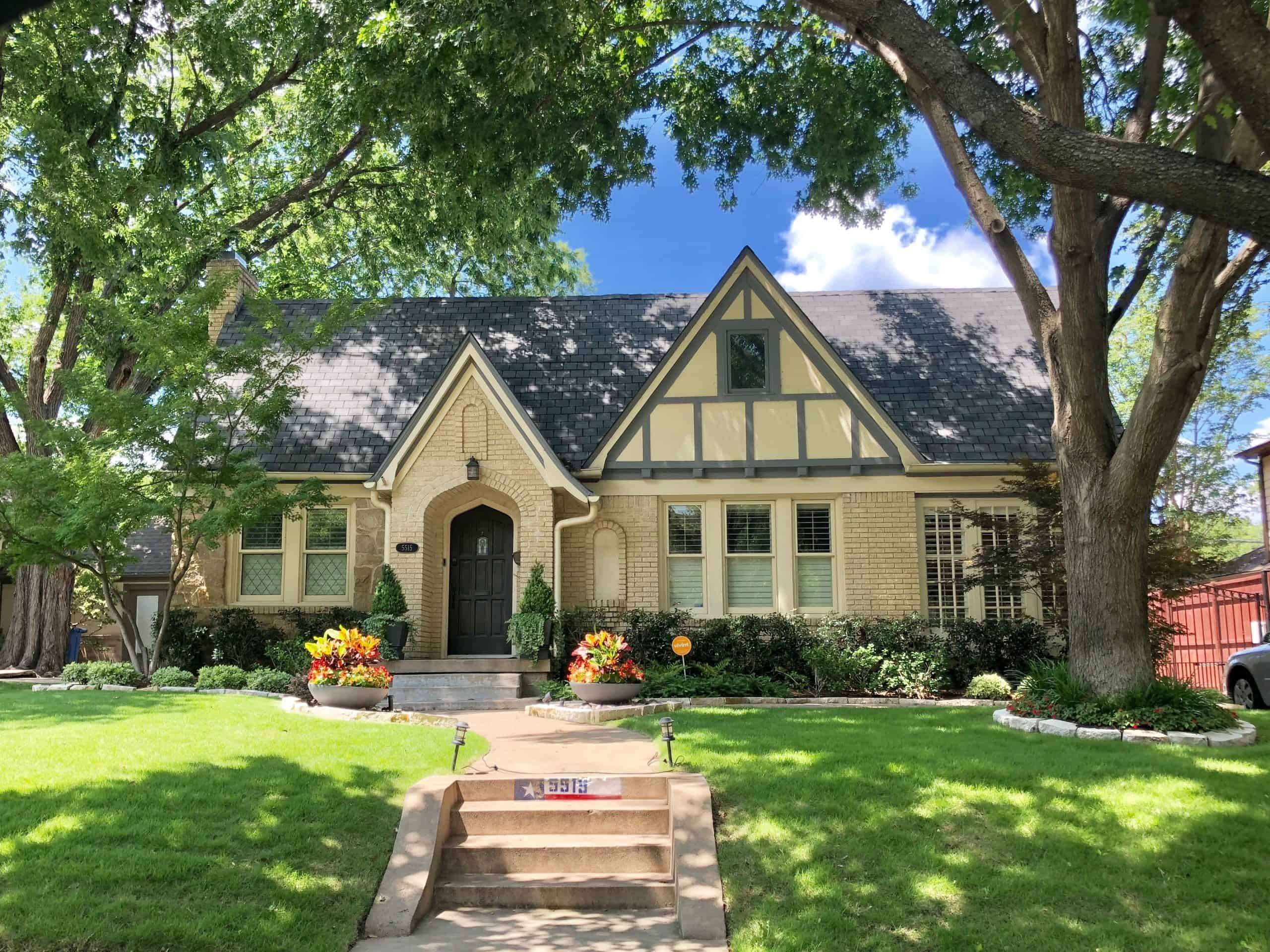
Also known as the “M Streets,” Greenland Hills was one of Dallas’s first cohesive neighborhood developments. Established in 1923, it was designed to attract middle-class professionals to the city’s expanding limits. Tudor Revival became the dominant architectural style, alongside Craftsman, Spanish Eclectic, and Neo-Classical influences. After World War II, the Minimal Traditional style also appeared due to its affordability. Today, Greenland Hills is recognized for having one of the largest collections of Tudor Revival homes in Texas.
Santa Monica / Hollywood Heights – Year: 1924
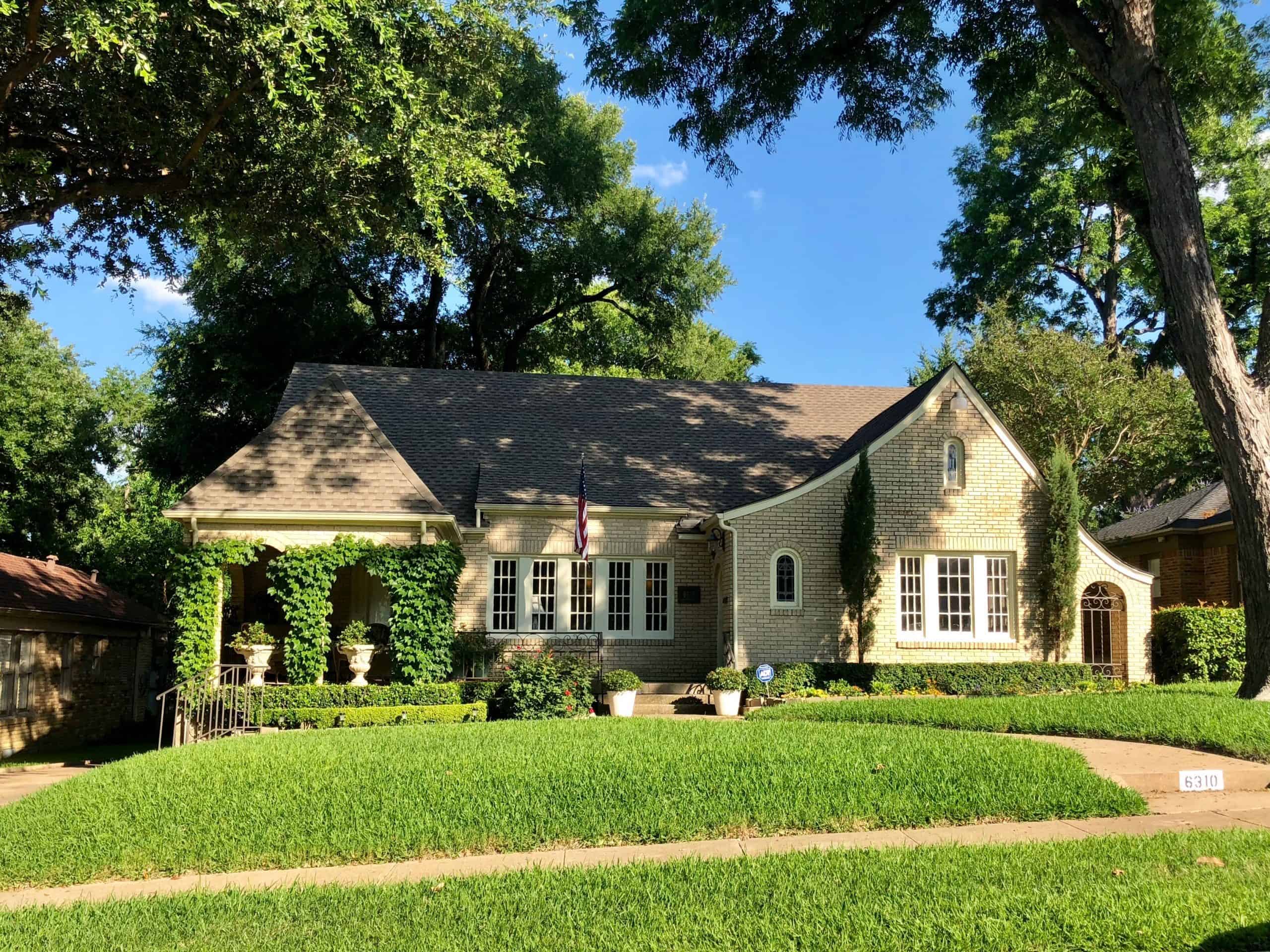
Santa Monica and Hollywood Heights developed in the 1920s and 1930s as part of Dallas’s suburban expansion. Known for Tudor Revival, Spanish Eclectic, and Minimal Traditional homes, the area features several houses designed by Charles Dilbeck. Designated as a Conservation District in 1989, the neighborhood is celebrated for its eclectic architecture, strong sense of community, and proximity to White Rock Lake.
Cochran Heights – Year: late 1920s
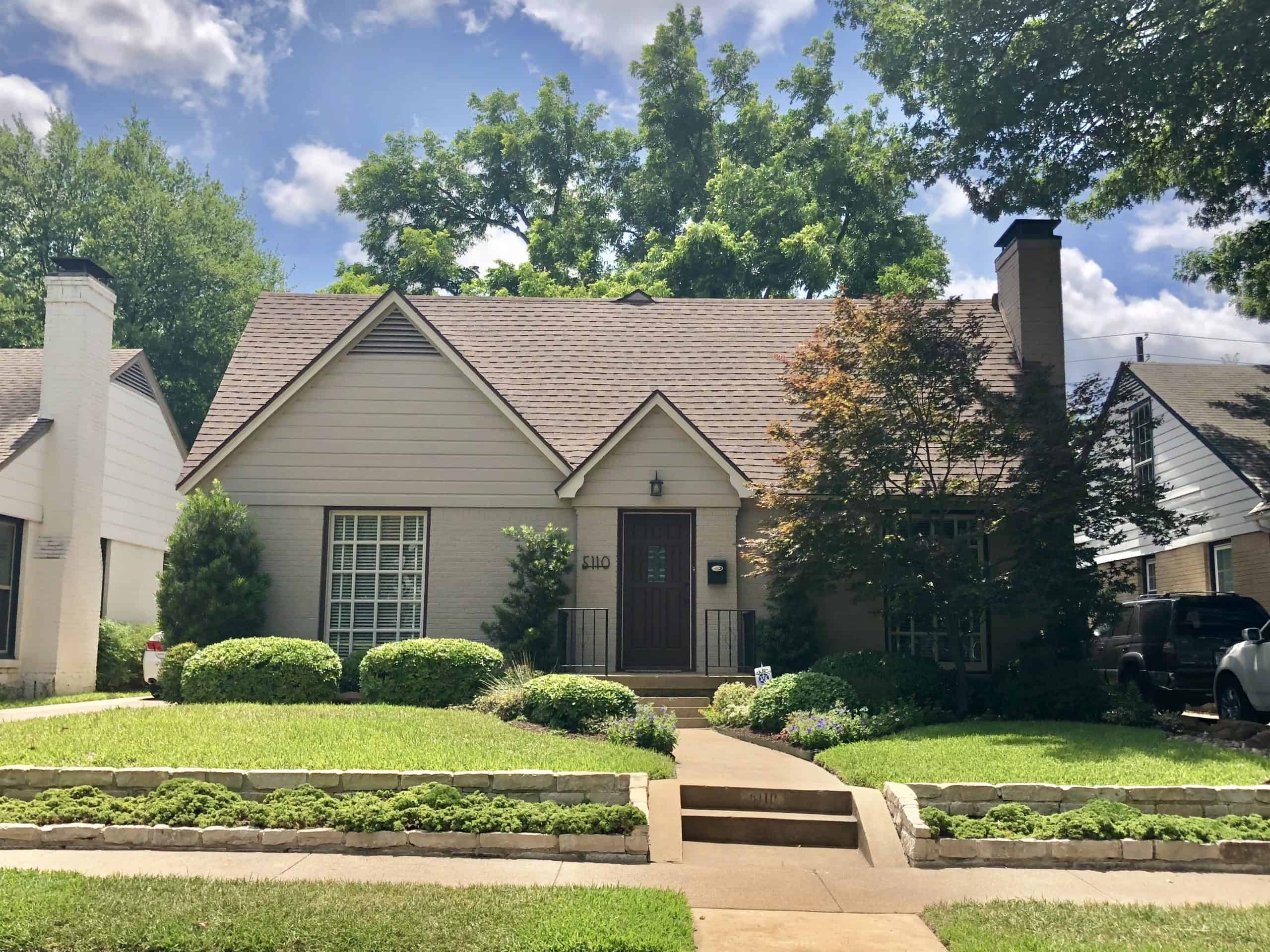
Cochran Heights began as a dairy farm before being developed in the late 1920s. Most homes were built between 1932 and 1940, featuring duplexes and cottages in Tudor and Craftsman styles. In 1936, architect Charles Dilbeck designed 60 eclectic cottages, including rare International-style houses. In 1983, the neighborhood association successfully rezoned the area to single-family homes, preserving its unique character. Today, it’s known for its architectural charm and proximity to Knox-Henderson.
The Peninsula – Year: 1927
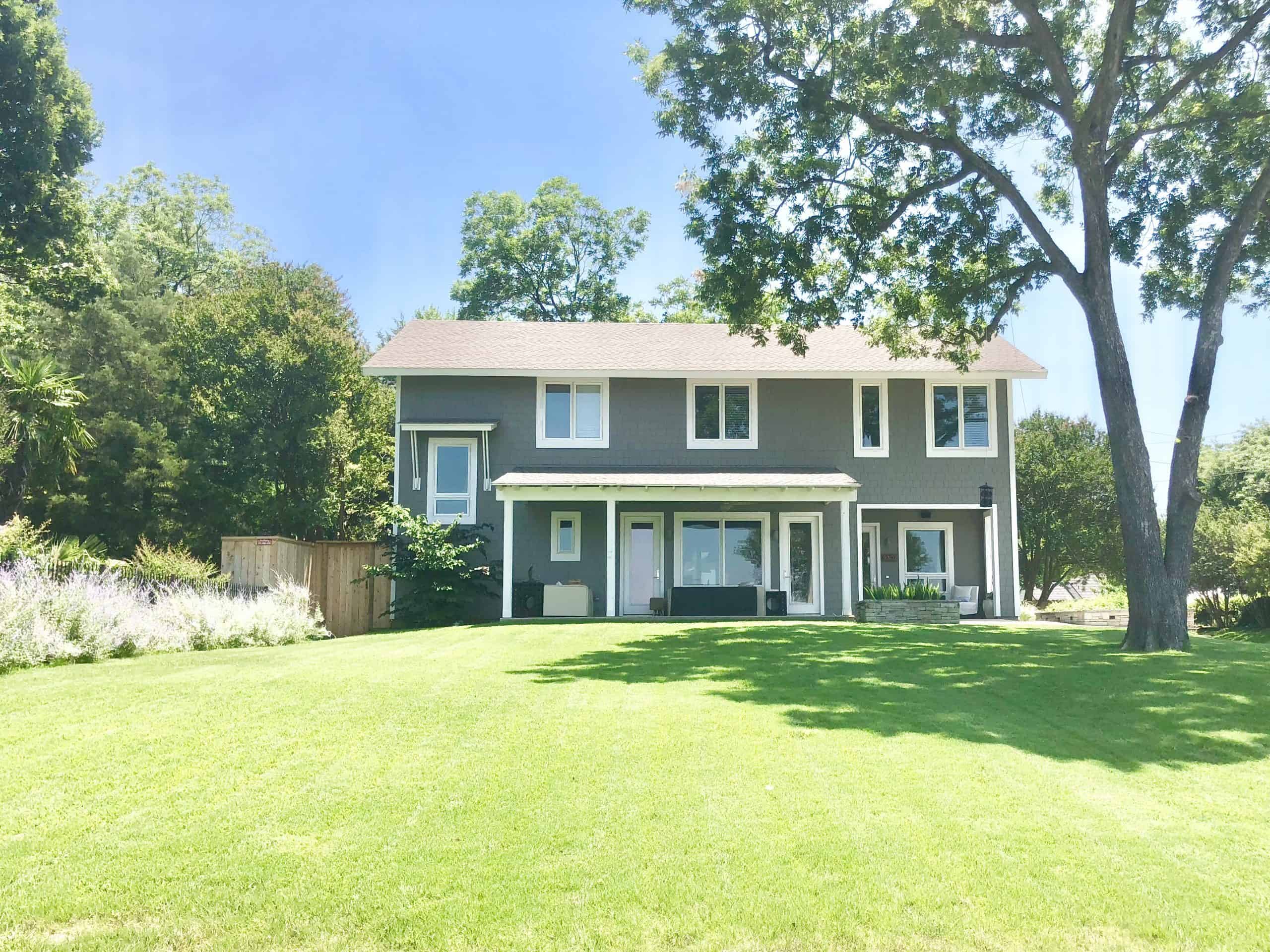
The Peninsula, situated along the shores of White Rock Lake, is characterized by a mix of contemporary and traditional architectural styles and offers scenic views and a strong community atmosphere. Residents enjoy access to parks, trails, and recreational facilities, fostering a vibrant and active lifestyle.
Little Forest Hills – Year: 1930
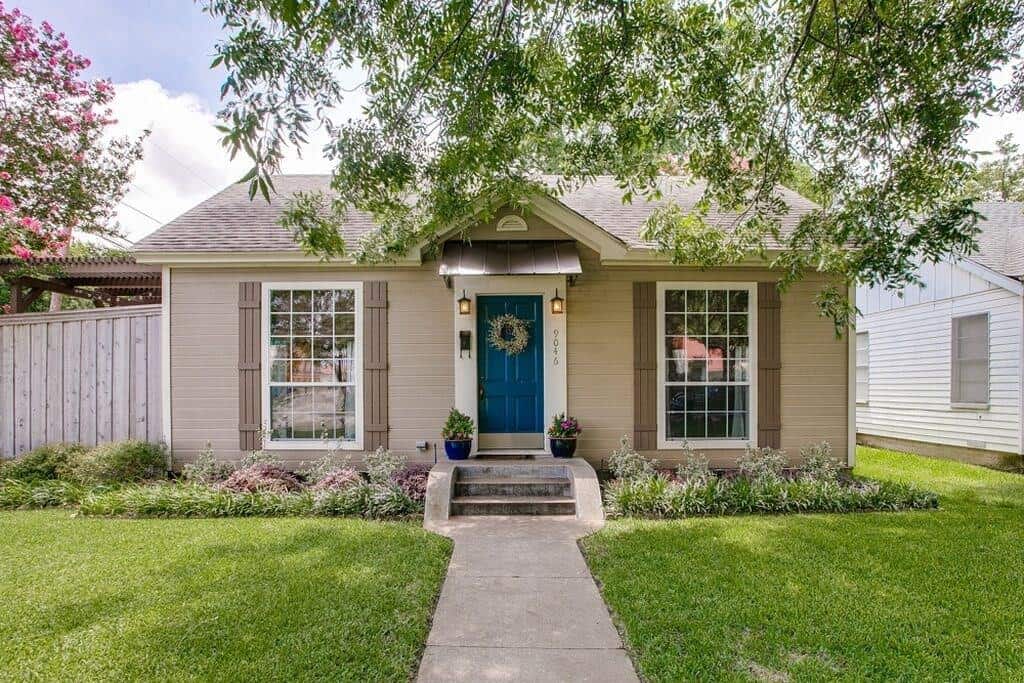
Little Forest Hills, established in the 1930s near White Rock Lake, is known for its eclectic cottages and artistic community. Initially attracting artists and craftsmen, the neighborhood features Minimal Traditional cottages, Craftsman bungalows, and ranch-style houses, often adorned with colorful exteriors and creative landscaping. The motto “Keep Little Forest Hills Funky” reflects the area’s unique charm and strong sense of community.
The Cloisters – Year: 1937
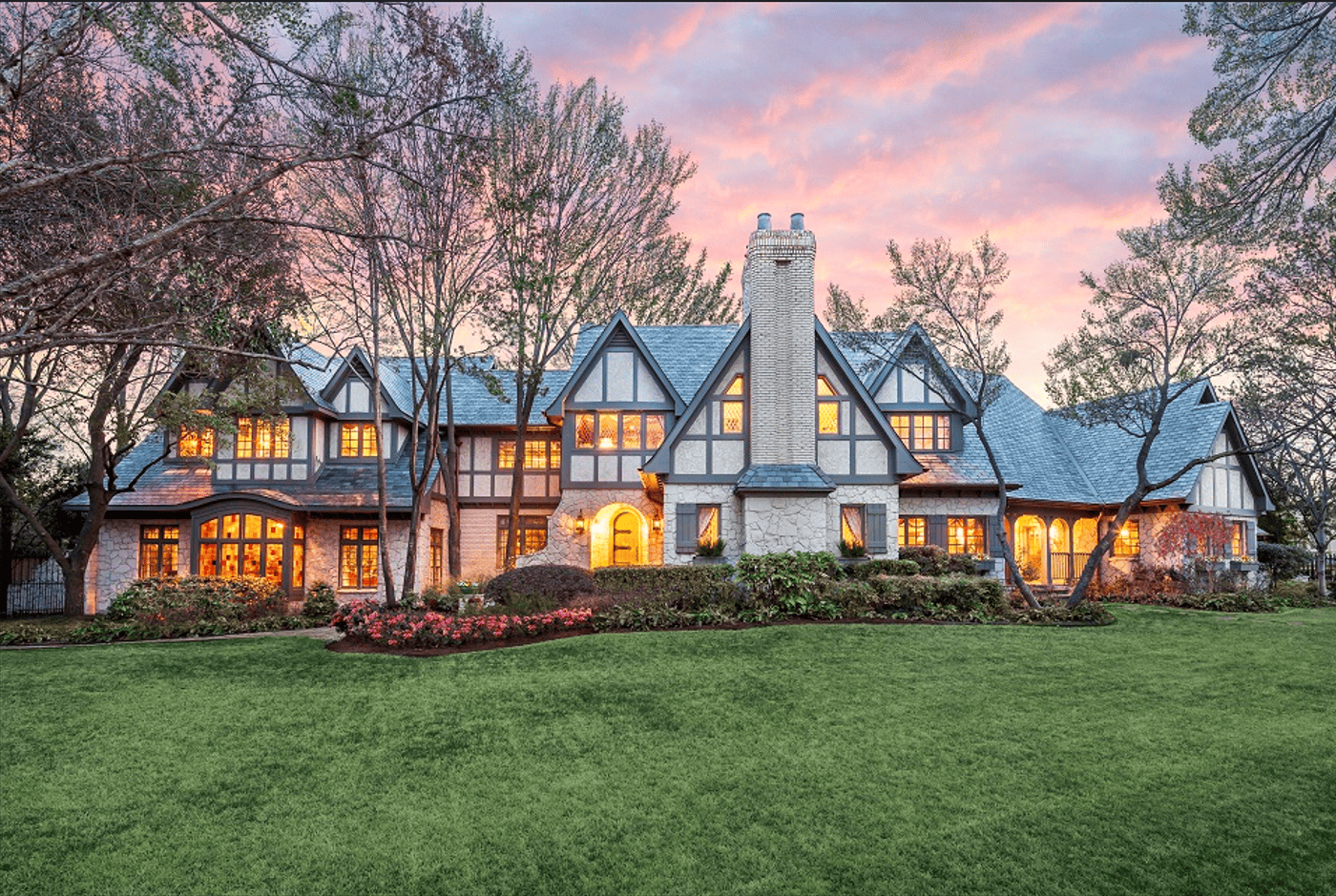
The Cloisters, nestled along the shores of White Rock Lake in East Dallas, began developing in the 1930s and grew rapidly post-World War II as families sought suburban living near the lake. The neighborhood is known for its mid-century modern and ranch-style homes, winding streets, and large lots, offering a peaceful retreat close to downtown Dallas.
Lake Park Estates – Year: 1940
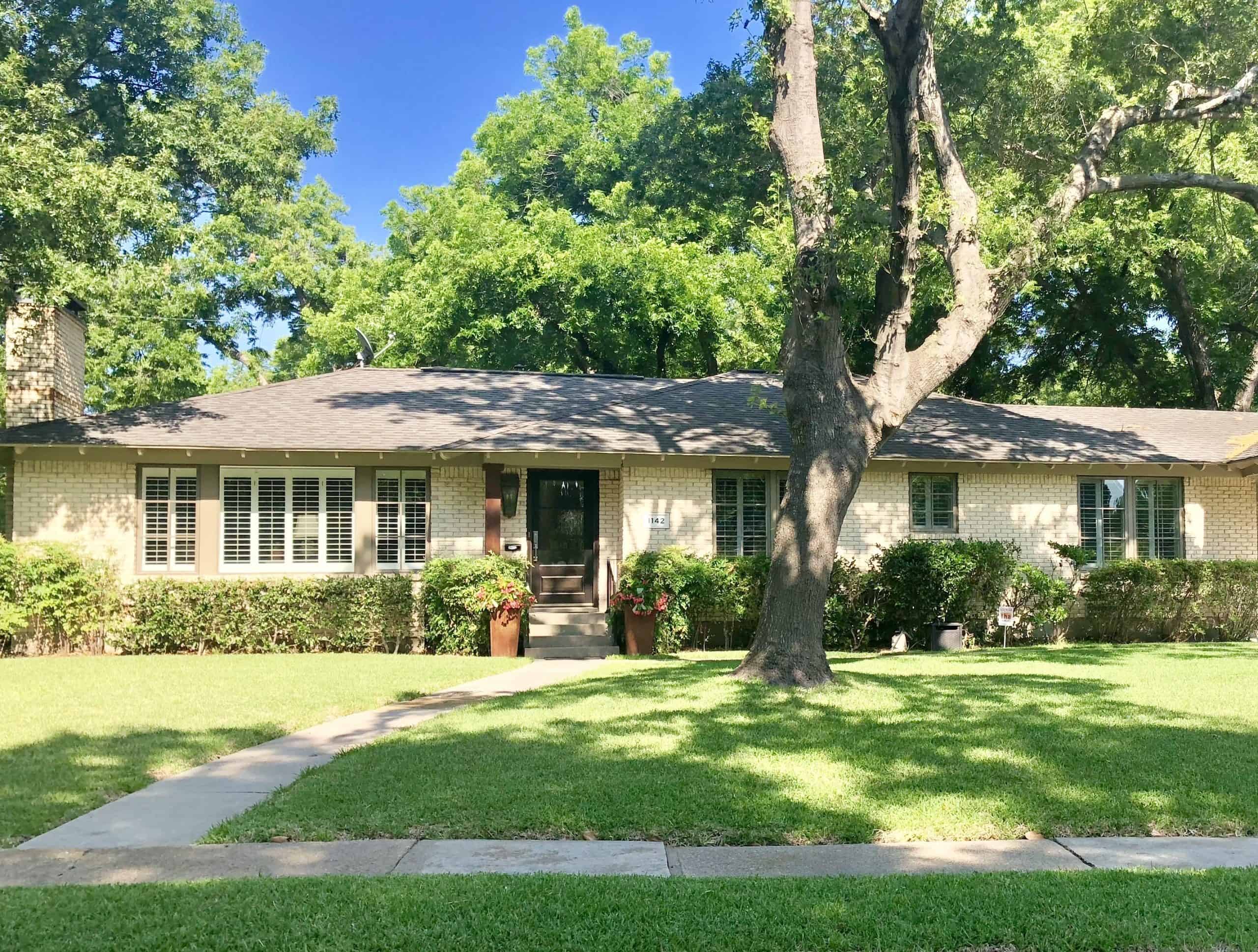
Lake Park Estates, a serene neighborhood near White Rock Lake, began development in the 1940s and continued into the 1950s. The area features mid-century modern and ranch-style homes with large windows, open floor plans, and spacious yards. Most streets are named after Irish locations—Donegal, Waterford, Athlone, Kilarney, Tralee, Erin, Galway, Tipperary, Bridget, Limerick, and Wicklow—with Tranquilla the lone exception.
Casa Linda – Year: 1945
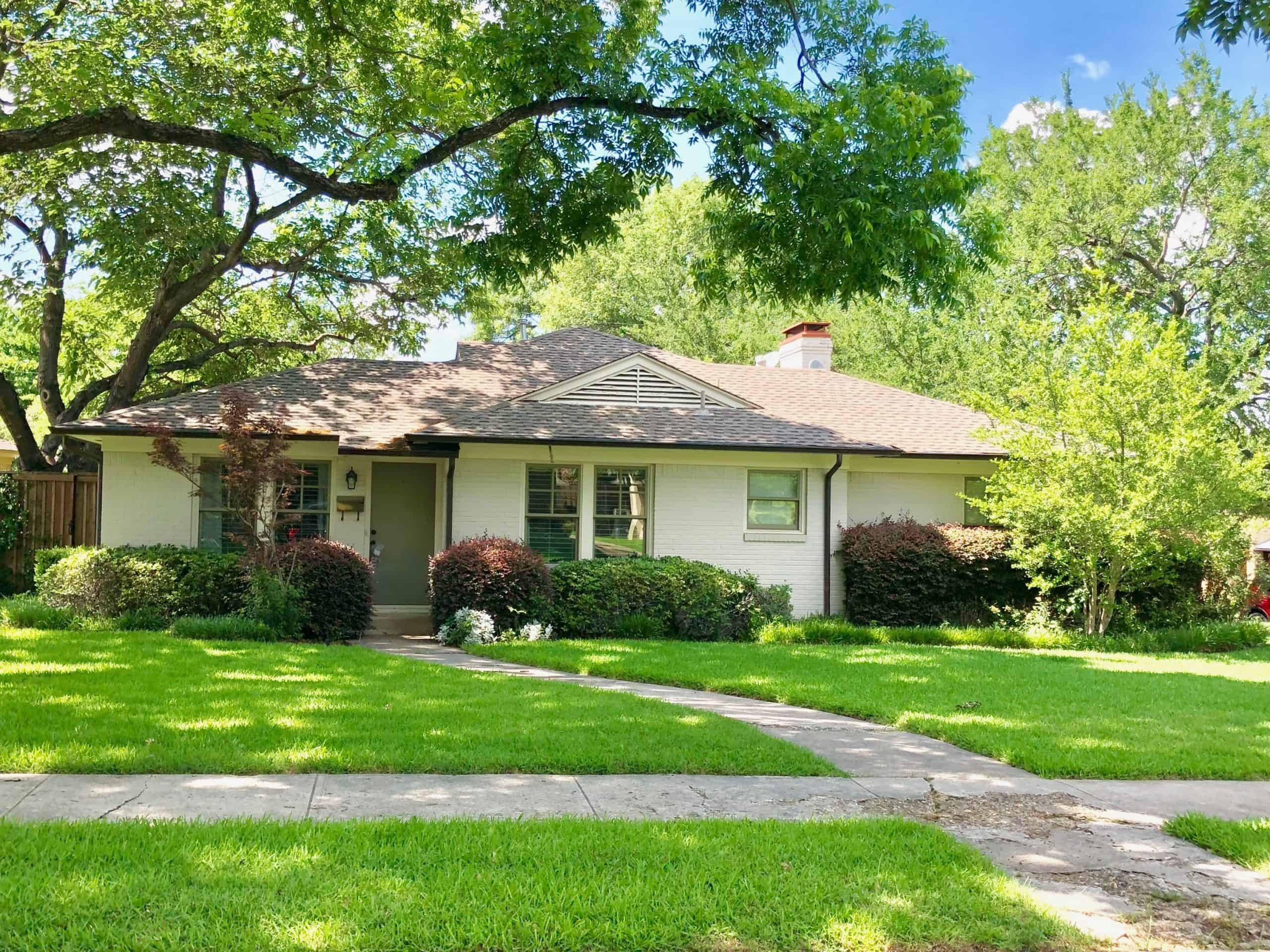
Casa Linda existed before World War II on farmland purchased by Carl M. Brown in the 1920s and 1930s. Its proximity to White Rock Lake and curbless streets winding through large, tree-filled lots gave residents a “country” feel minutes from downtown. In the 1940s, Brown developed Casa Linda Plaza—marketed as a “city within a city”—where residents could handle all their errands.
Old Lake Highlands – Year: 1946
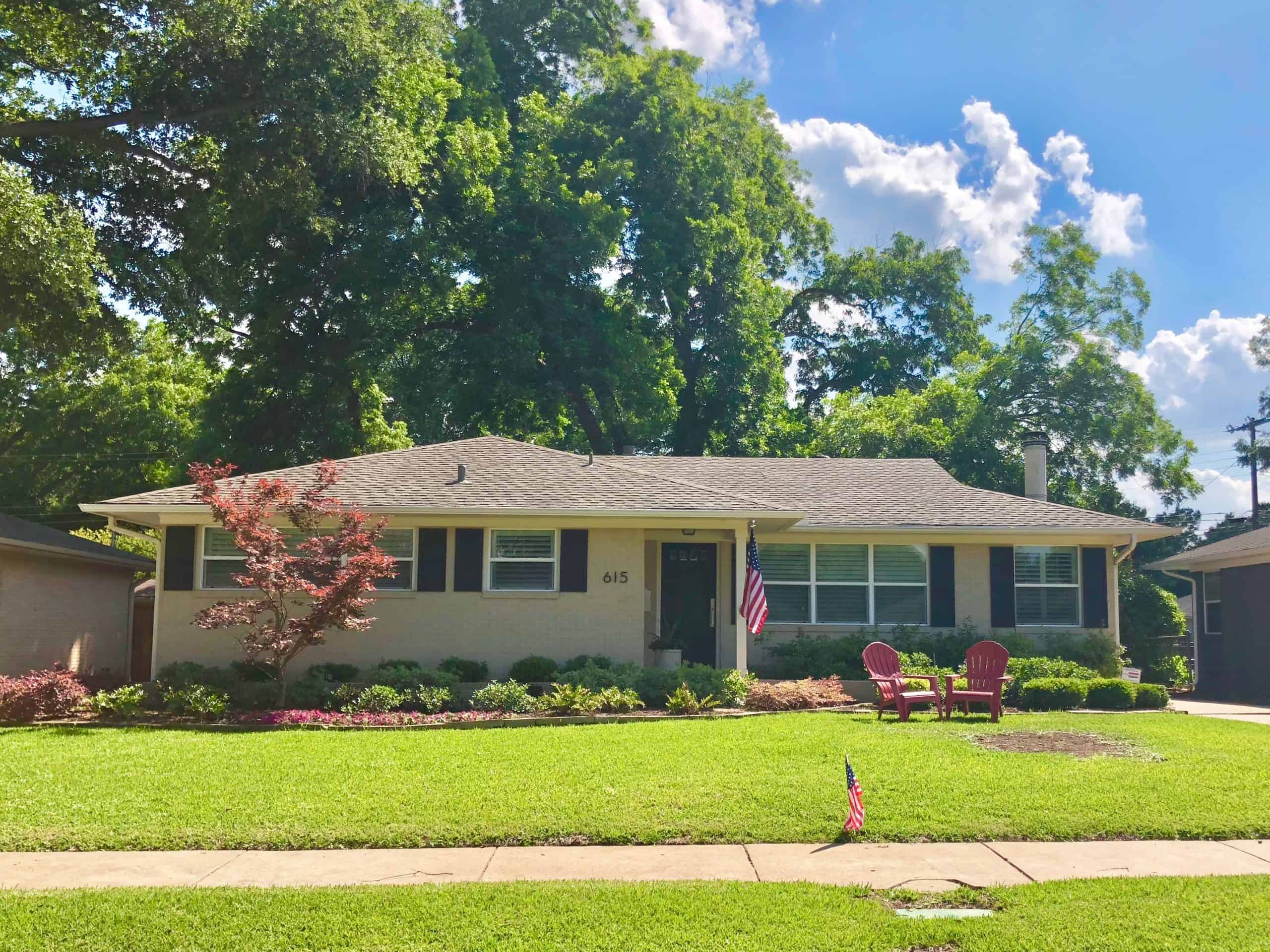
Old Lake Highlands began developing in the 1930s and 1940s as a lakeside retreat near White Rock Lake. Established in 1946, the area features approximately 1,700 homes—mostly one- and two-story ranch-style houses and cottages built on pier-and-beam foundations. Many homes still feature their original hardwood floors.
Eastwood – Year: 1950s
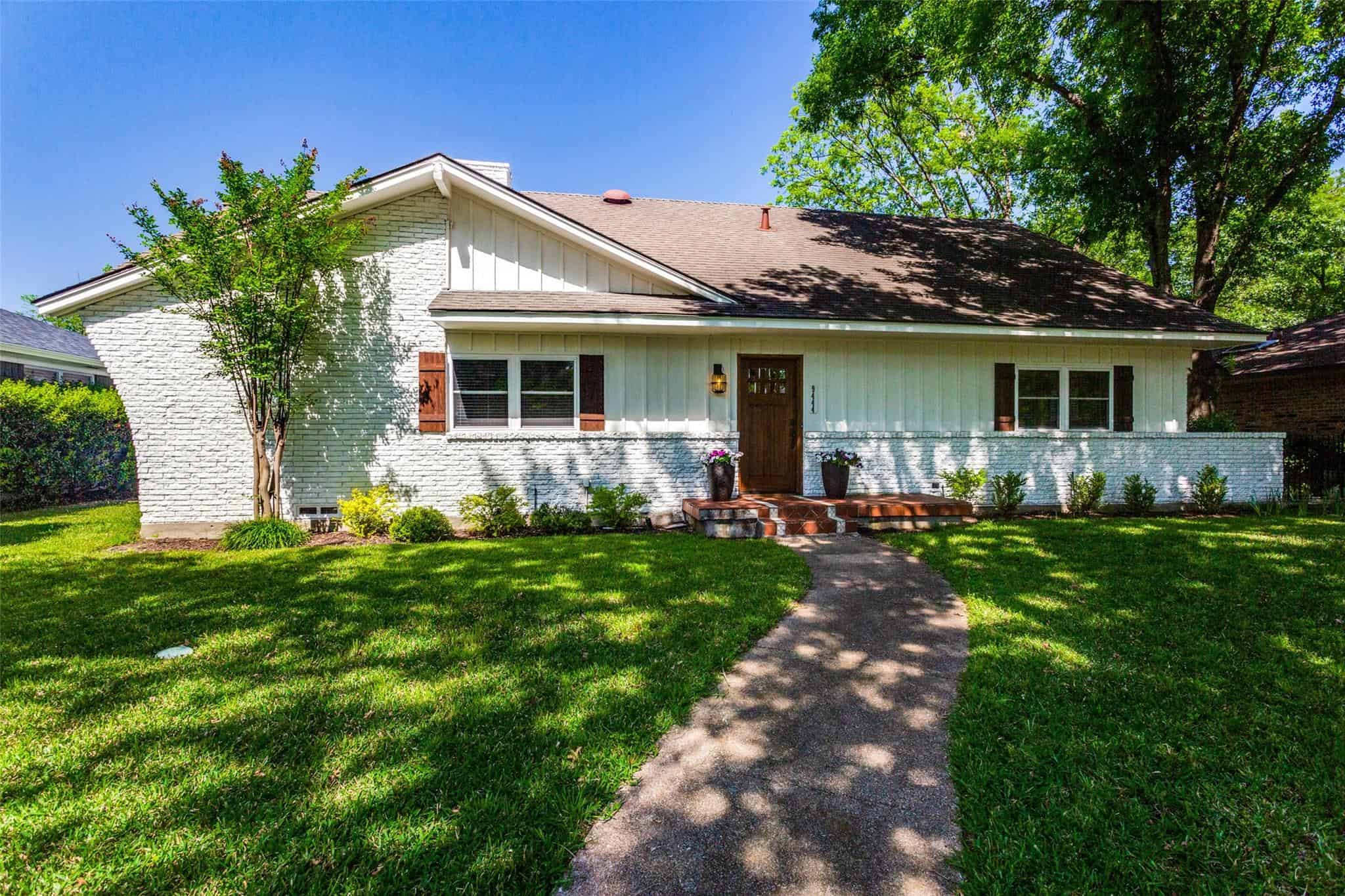
Eastwood emerged in the early 1950s as part of the city’s post-World-War-II suburban expansion. Characterized by its mid-century ranch-style homes, the neighborhood quickly became a haven for middle-class families seeking proximity to White Rock Lake. Its tree-lined streets and spacious lots offered residents a retreat with easy access to downtown.
Ridgewood Park – Year: 1950
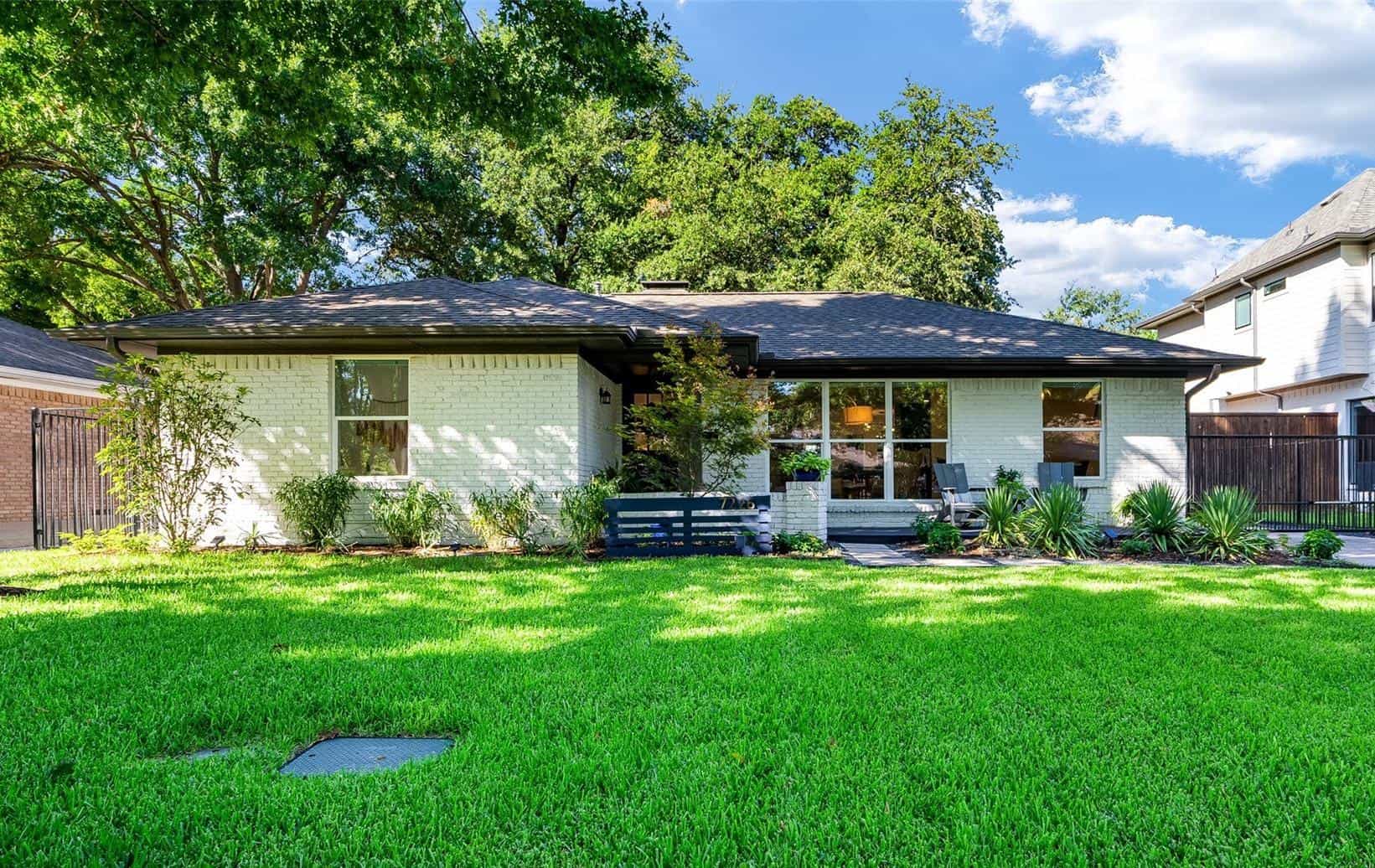
Ridgewood Park has a storied past dating back to the early 1950s. Originally developed on former farmland, this neighborhood offered spacious lots and a serene suburban ambiance. Its mix of mid-century modern, ranch-style, and traditional homes reflects the era’s architectural trends. Today it remains a sought-after destination known for its historic charm and strong sense of community.
Lochwood – Year: 1952
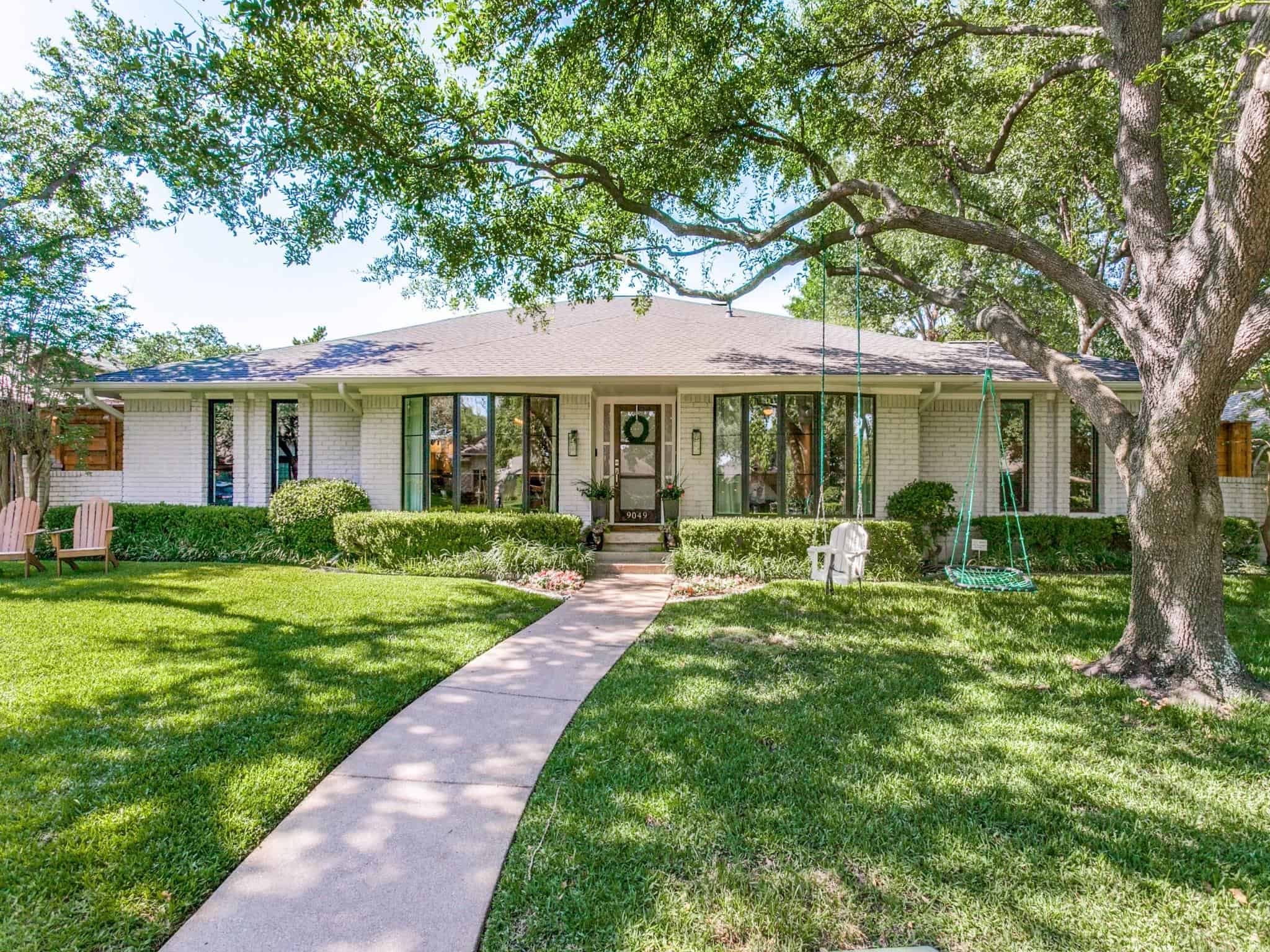
Lochwood, a mid-century neighborhood near White Rock Lake, began development in the early 1950s and features primarily ranch-style homes. Originally known as “Lake Highlands Estates,” it was renamed by developer W.O. Ligon. The neighborhood includes greenbelts and parks like Lippitt Park and Lochwood Park.
Lakewood Trails – Year: 1953
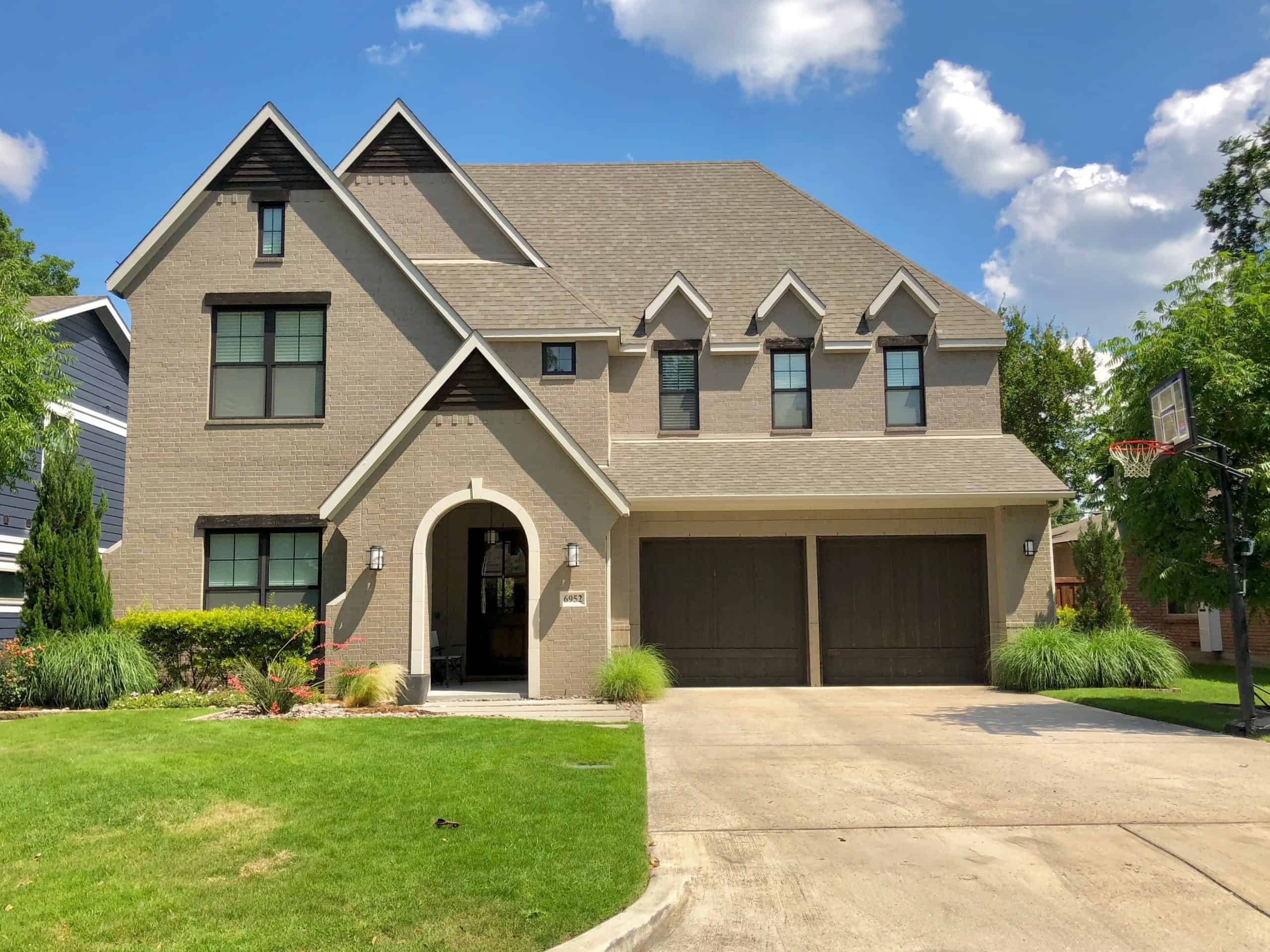
Residential development kicked off in Lakewood Trails in 1953 with the initial 50 homes in the Bob-O-Links Downs subdivision. Mockingbird Hill followed soon after, and in the early 1970s two additional subdivisions—Williamson-Caruth Terrace and Lakewood North Estates—were established. Over time, many original homes have been replaced by larger residences, reflecting the evolving housing landscape.
OLD EAST DALLAS VERSUS EAST DALLAS: IS THERE A DIFFERENCE?
READ ABOUT THE HISTORY OF OLD EAST DALLAS HERE and learn the distinction between the two.
EAST DALLAS NOW AND INTO THE FUTURE
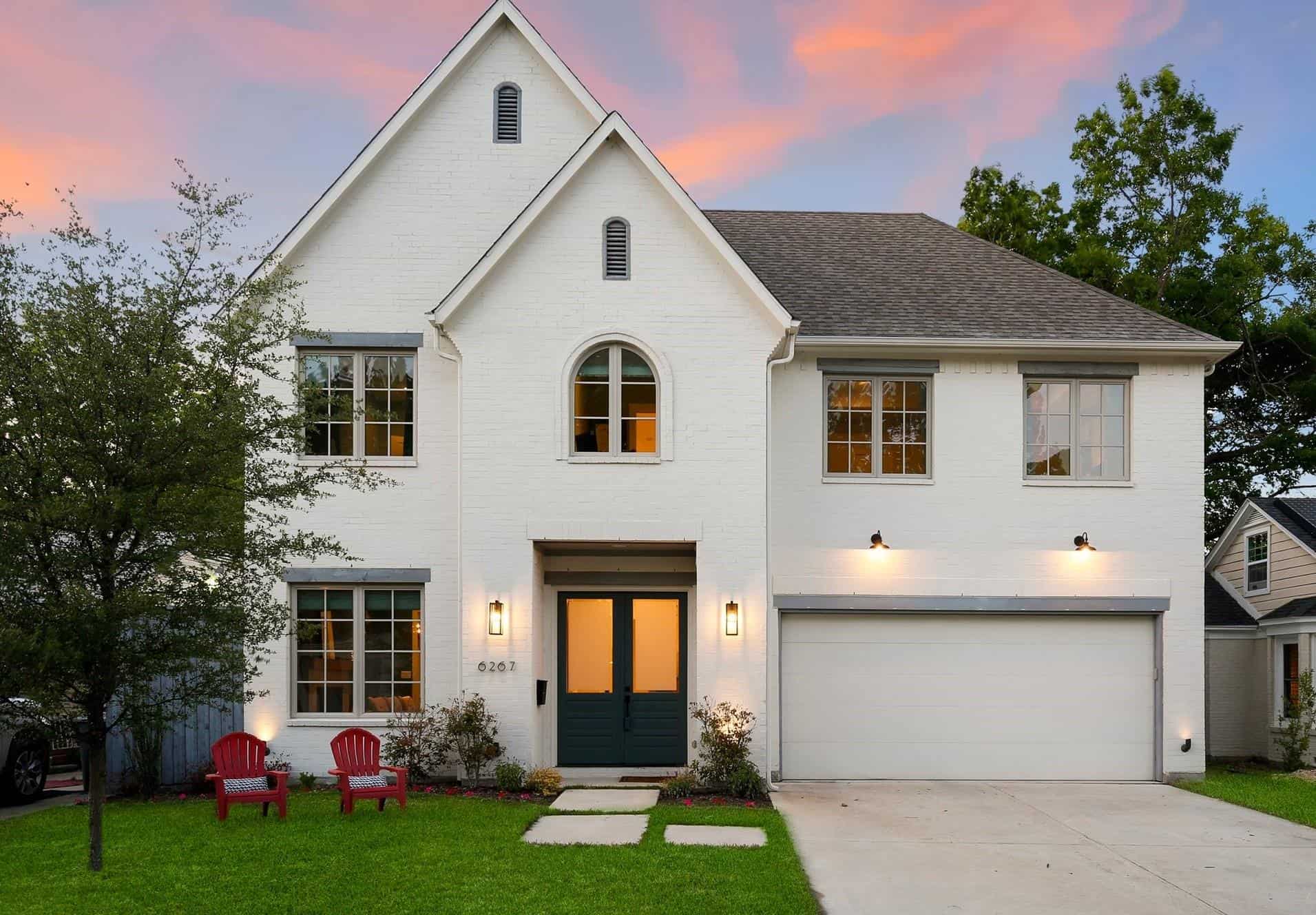
East Dallas continues to evolve, balancing historic preservation with modern development. Neighborhoods protected by City of Dallas Historic and Conservation Districts retain their architectural heritage, reflecting the area’s rich history. However, some areas experience significant transitions, with older homes being replaced by new construction. This dynamic blend of preservation and progress ensures that East Dallas remains a vibrant, diverse community, honoring its past while embracing contemporary living.East Dallas certainly provides something for everybody. If you’re looking to buy a home in East Dallas, let’s connect. As a real estate advisor specializing in the East Dallas luxury real estate market, I’m here to assist you in finding your dream home.Or if you are contemplating selling your East Dallas property in these areas, I have connections and expertise in presenting your property to discerning buyers. Reach out today to embark on your East Dallas real estate journey.