

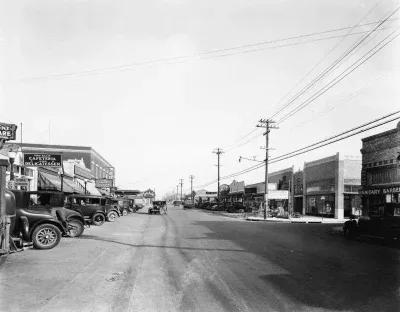
Lower Greenville – Historic East Dallas
From Independent City to Established Dallas Neighborhood
In the late 1800s, East Dallas was not simply a neighborhood. It operated as its own incorporated city. Founded in 1882, the City of East Dallas quickly became a desirable residential enclave for professionals and entrepreneurs who wanted proximity to downtown while maintaining architectural distinction.
Many people use the terms interchangeably today, but Old East Dallas refers specifically to the historic core that developed before annexation. In contrast, East Dallas now describes a much broader geographic area that includes both historic districts and later residential growth extending toward White Rock Lake.
Eventually, financial strain led to annexation by the City of Dallas in 1890. As a result, East Dallas officially became part of Dallas proper. Over time, the term Old East Dallas emerged to distinguish the original neighborhoods that shaped the area’s early identity.
Today, that historic core continues to define the character of East Dallas. Its architecture, street patterns, and preservation efforts remain central to the area’s long term appeal and real estate value.
How Old East Dallas Shaped One of Dallas’ Most Architecturally Significant Areas
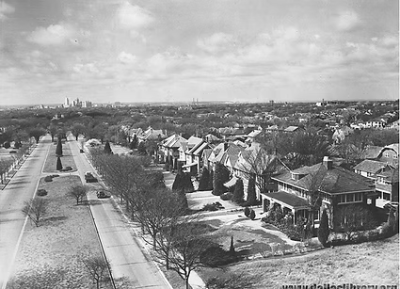
Dallas Public Library Digital Collection – Swiss Ave. 1950
Old East Dallas represents the historic core of what many buyers today simply call East Dallas. While newer construction and modern infill development continue to reshape portions of the area, the roots of East Dallas trace back more than a century. Understanding that history helps buyers see why these neighborhoods continue to command strong demand.
For current homes available across the area, buyers can explore by East Dallas Neighborhoods.
Let’s take a closer look at how Old East Dallas developed and why it still matters in today’s real estate market.
The Neighborhoods Of Old East Dallas
Several historically significant neighborhoods fall under the Old East Dallas umbrella. Each has its own identity, but together they represent some of the most architecturally rich areas in Dallas.
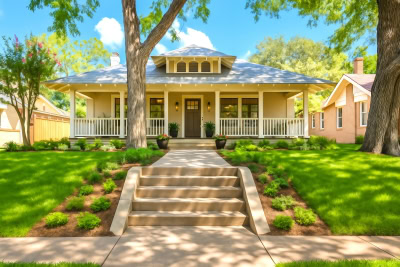
Munger Place – East Dallas
Munger Place Historic District
Developed beginning in 1905, Munger Place introduced paved streets and deed restrictions that shaped early residential planning in Dallas. Large Prairie, Colonial Revival, and Craftsman homes sit on generous lots. Buyers looking for preserved historic character often begin their search in Munger Place.
In addition, the neighborhood’s consistent lot sizes and architectural continuity create a cohesive streetscape that buyers immediately recognize. Over time, carefully restored properties have continued to support stable long term values.
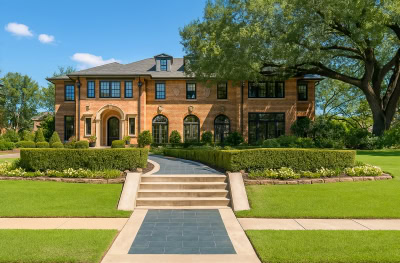
Swiss Avenue – East Dallas
Swiss Avenue Historic District
Swiss Avenue remains one of the most recognized historic corridors in the city. Grand early 20th century estates line a landscaped boulevard. Architectural styles range from Beaux Arts to Tudor Revival. Preservation efforts have kept the streetscape largely intact, which supports long term property value.
Because many of these homes sit on oversized lots along a formal boulevard, Swiss Avenue often attracts buyers seeking estate scale properties within city limits. Annual home tours also reinforce its visibility and historic significance.
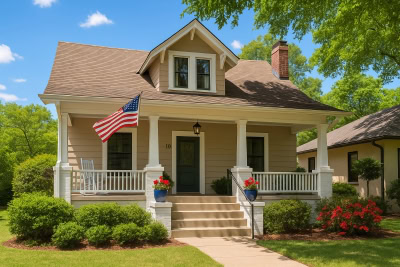
Junius Heights – East Dallas
Junius Heights
Junius Heights contains one of the largest concentrations of Craftsman homes in Dallas. Bungalows dominate the streetscape, typically built between 1905 and 1925. Because of its scale and charm, it remains one of the more approachable historic neighborhoods for buyers.
Notably, the neighborhood’s historic designation helps protect its architectural identity while still allowing thoughtful interior modernization. As a result, buyers often find updated kitchens and systems within preserved exteriors.
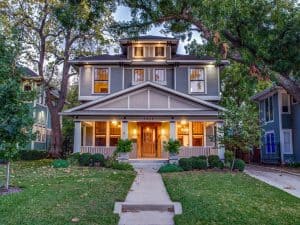
Peak’s Suburban Addition – East Dallas
Peak’s Suburban Addition
Peak’s Suburban Addition reflects late 19th century development patterns. Victorian influences appear alongside Prairie and Craftsman architecture. Over the years, renovation efforts have restored many properties while maintaining the original layout.
Today, Peak’s Suburban Addition appeals to buyers who want authentic late 19th century architecture without sacrificing proximity to downtown Dallas. Many homes feature original hardwood floors and detailed millwork that would be difficult to replicate.
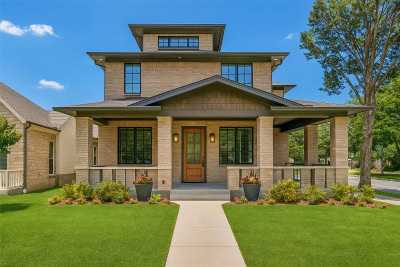
Belmont Addition – East Dallas
Belmont Addition
Belmont Addition sits near Lower Greenville and features early 20th century homes with strong Craftsman and Tudor influences. Walkability and architectural continuity continue to attract buyers.
Because of its proximity to Lower Greenville, Belmont Addition continues to attract buyers who prioritize walkability alongside historic character. Renovated properties here tend to move quickly when priced appropriately.
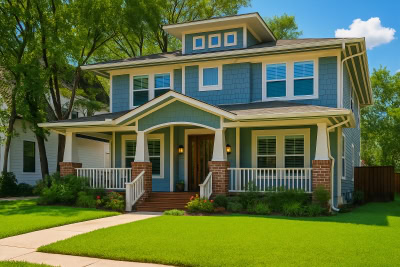
Vickery Place – East Dallas
Vickery Place
Vickery Place offers smaller scale historic homes, primarily Craftsman bungalows. Its location near Greenville Avenue adds convenience while retaining neighborhood integrity.
Although homes are generally smaller in scale, lot depth and mature trees add privacy and charm. For many buyers, Vickery Place offers an approachable entry point into East Dallas historic living.
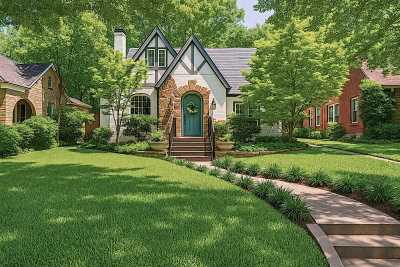
Hollywood Heights & Santa Monica – East Dallas
Hollywood Heights and Santa Monica
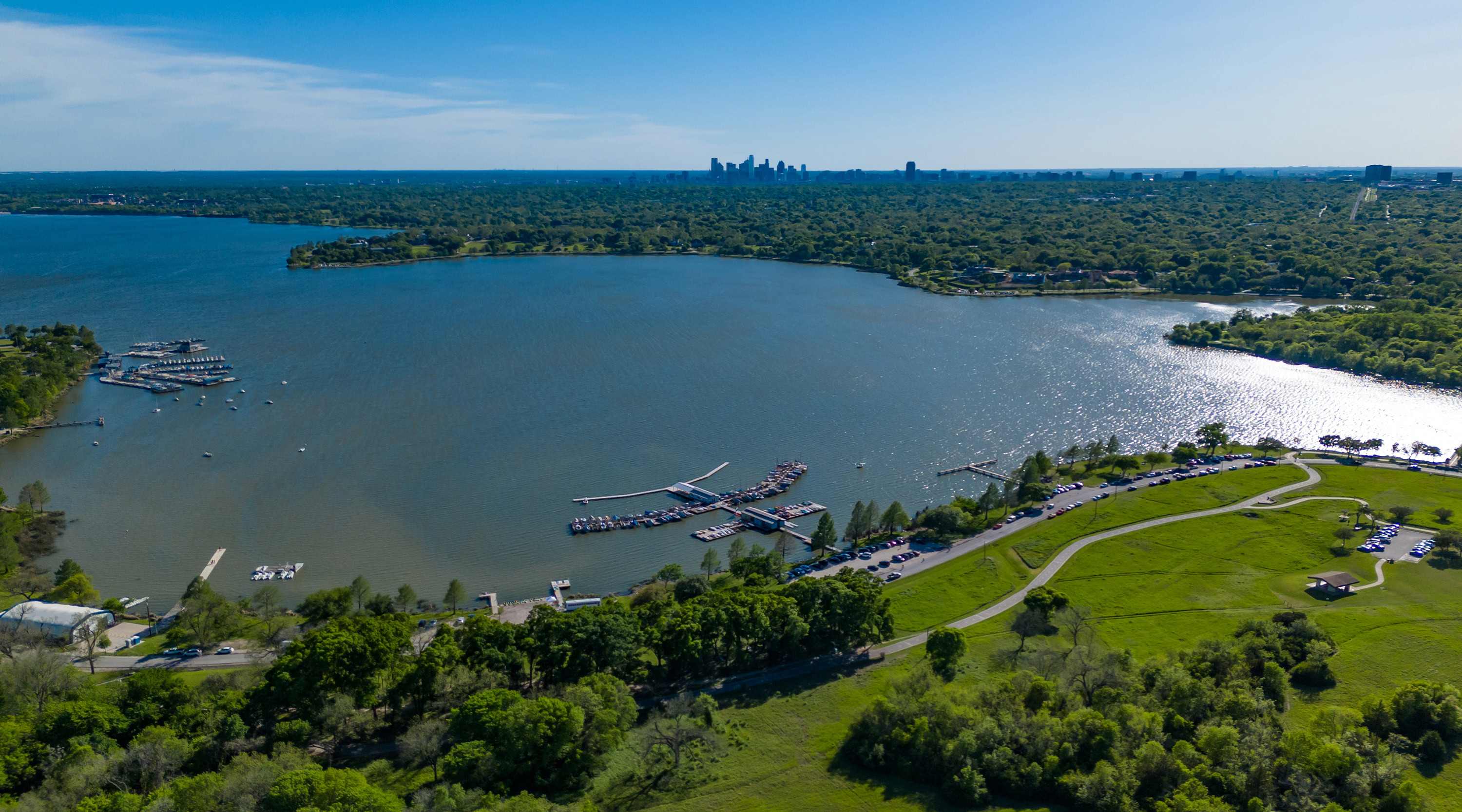
These neighborhoods feature distinctive Tudor homes inspired by early Hollywood design trends. Many properties overlook White Rock Lake, adding lifestyle value to architectural appeal.
In addition to architectural appeal, these neighborhoods benefit from topography that provides elevation changes not common in other parts of Dallas. Proximity to White Rock Lake further strengthens long term demand.
Hollywood Heights and Santa Monica neighborhood details and listings
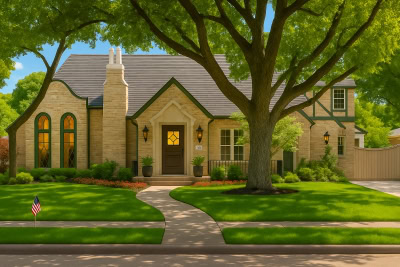
Lakewood – East Dallas
Lakewood
Lakewood developed slightly later but remains historically significant. Proximity to White Rock Lake and the Lakewood Country Club continues to drive demand.
Beyond its historic roots, Lakewood has evolved into one of the most consistently strong performing submarkets in East Dallas. Access to retail, dining, and recreational amenities reinforces its broad buyer appeal.
Lakewood neighborhood details and listings
Historic Preservation Efforts
The preservation of Old East Dallas’s historic character is a priority for residents and local organizations. The City of Dallas has designated several areas as Historic and Conservation Districts, ensuring that the unique architectural and historical elements are protected. Efforts by neighborhood associations and preservation groups have been instrumental in maintaining the area’s charm and heritage.
While historic preservation remains a focus, Old East Dallas is also undergoing significant modern development. New constructions and renovations are common, reflecting the area’s desirability and the broader trend of urban revitalization. Balancing modernization with preservation is a continuous challenge, but it ensures that Old East Dallas remains a vibrant and dynamic community.
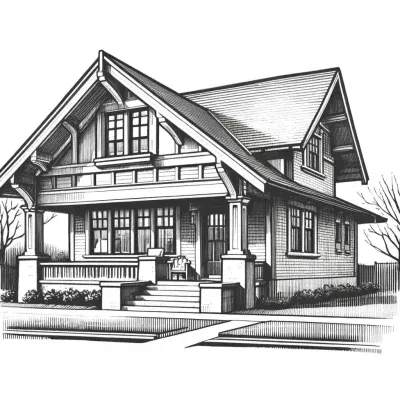
Architectural Styles Found in Old East Dallas
Old East Dallas showcases architectural diversity rarely replicated in new construction. Buyers can find:
- Victorian homes from the late 1800s
- Craftsman bungalows with wide front porches
- Tudor Revival properties with steep rooflines
- Prairie style homes with horizontal emphasis
- Colonial Revival residences with formal symmetry
Because preservation districts regulate exterior modifications, the overall streetscape remains cohesive. That stability often translates to long term neighborhood strength.
Why Old East Dallas Continues to Matter for Buyers
Historic designation does more than preserve architectural detail. It helps protect entire streetscapes from incompatible redevelopment and maintains long term neighborhood consistency. As a result, many buyers view Old East Dallas as one of the more stable submarkets within the broader East Dallas area.
At the same time, supply remains limited. Because these homes were built more than a century ago, inventory cannot meaningfully expand. That scarcity, combined with proximity to downtown Dallas and White Rock Lake, continues to support sustained demand.
For homeowners, the appeal is both aesthetic and practical. Mature trees, established lot patterns, and preserved architectural integrity create an environment that newer developments often struggle to replicate. Over time, those characteristics have contributed to steady buyer interest and long term value retention.
Community Life And Amenities
Old East Dallas offers numerous amenities and a strong sense of community. Residents enjoy parks like Exall Park and White Rock Lake, along with cultural attractions such as the Dallas Arboretum and Botanical Garden. The area hosts various events and festivals, celebrating its rich history and diverse culture.
This area combines historic charm with modern appeal. Its neighborhoods, architectural diversity, and cultural richness make it a standout within East Dallas. Whether you’re a history enthusiast, an architecture lover, or looking for a welcoming community, Old East Dallas has something to offer.












Leave A Comment
You must be logged in to post a comment.