

The Best 8 Walkable East Dallas Neighborhoods Near Dining, Parks, and Local Retail
Walkability continues to rank high for East Dallas buyers, especially those searching for truly walkable East Dallas neighborhoods near dining, parks, and local retail.
As a result, many buyers want the ability to walk to coffee, dinner, and everyday errands without relying on a car for every outing. In several of these communities, that lifestyle is not only realistic but sustainable long term.
From Greenville Avenue to White Rock Lake, certain communities consistently stand out for pedestrian access, historic architecture, and long-term buyer demand. Below are eight of the most walkable East Dallas neighborhoods and what buyers can expect in each.
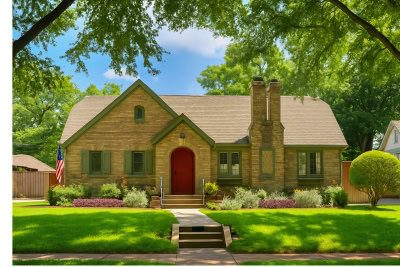
Lower Greenville – East Dallas
1. Lower Greenville
Lower Greenville centers around Greenville Avenue, one of the most active restaurant and retail corridors in East Dallas. Coffee shops, casual dining, fitness studios, and nightlife sit within a few blocks of most homes, making errands and evenings out easy on foot.
Builders constructed many of the homes between 1910 and 1935, and Craftsman bungalows and Tudor cottages continue to define the neighborhood’s character.
In addition, some properties have been renovated, while others retain original hardwood floors, detailed trim, and inviting front porches. Lots are typically smaller, which contributes to density and walkability.
Lower Greenville appeals to buyers who want immediate access to dining and an urban feel while still owning a detached home.
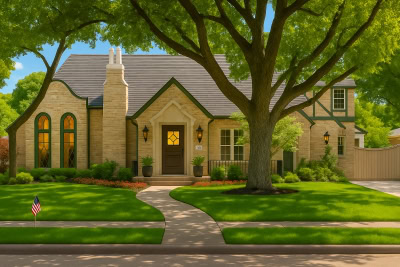
Lakewood – East Dallas
2. Lakewood
Similarly, Lakewood blends walkability with access to White Rock Lake and established neighborhood retail.
Lakewood Shopping Center, neighborhood restaurants, and everyday services sit within easy walking distance for many residents. In addition, White Rock Lake and its trail system expand pedestrian access for outdoor recreation.
Architecturally, Lakewood features larger Tudor, Colonial, and Craftsman homes, along with select newer construction. Streets are wide and shaded, and lot sizes are generally larger than those closer to Greenville Avenue. Buyers who want a residential feel with convenient retail access often prioritize Lakewood.
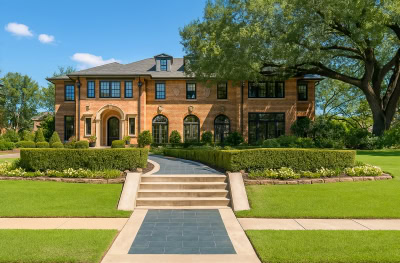
Swiss Avenue – Old East Dallas
3. Swiss Avenue Historic District
Swiss Avenue is known for its architectural significance and grand early 1900s estates. Wide boulevards, mature trees, and generous setbacks create a distinctive streetscape that feels intentionally preserved.
Architectural styles, for example, range from Mediterranean and Colonial Revival to Prairie and Beaux Arts. Many exceed 4,000 square feet and sit on expansive lots. Although the district feels primarily residential, Lower Greenville, Deep Ellum, and Downtown Dallas are only minutes away, keeping dining and entertainment easily accessible.
Swiss Avenue attracts buyers who value historic preservation and architectural depth while maintaining proximity to the city core.
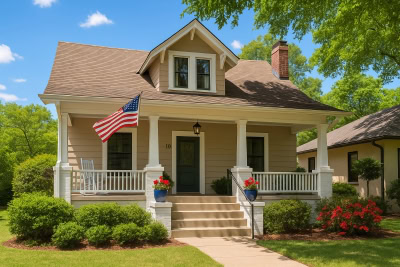
Junius Heights – East Dallas
4. Junius Heights
Junius Heights is the largest historic district in East Dallas and one of the strongest concentrations of Craftsman bungalows in Dallas.
Builders developed most homes between 1906 and the early 1920s. Front porches, tapered columns, and original wood detailing define much of the neighborhood. As a result, an active neighborhood association helps preserve architectural consistency and neighborhood identity.
Its location near Downtown Dallas and Lower Greenville keeps commuting practical while maintaining convenient retail access. Buyers who want historic charm with manageable home sizes often look here first.
Vickery Place – East Dallas
5. Vickery Place
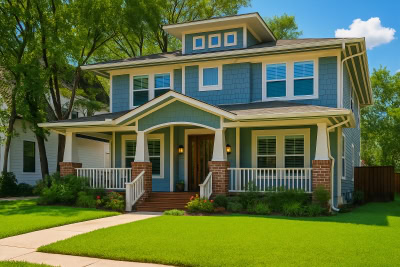
Vickery Place sits just west of Greenville Avenue and offers a quieter residential pocket within walking distance of restaurants and shops.
In addition, the housing stock consists mainly of Craftsman homes and small cottages. Streets are narrow, shaded, and pedestrian-friendly. The neighborhood maintains an established residential feel while remaining connected to Knox Henderson and Lower Greenville retail corridors.
Vickery Place works well for buyers who want balance between nightlife access and a more contained neighborhood setting.
M Streets & Lower Greenville – East Dallas
6. M Streets and Greenland Hills
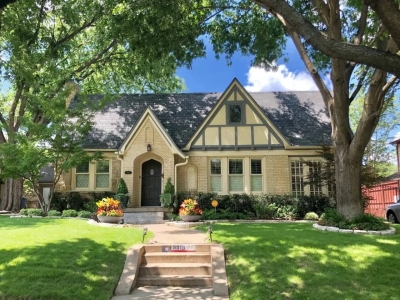
Greenland Hills, commonly called the M Streets, is anchored by McCommas and Monticello Avenues.
In particular, 1920s and 1930s Tudor homes define the area’s architectural consistency. Many have been expanded, preserving original facades while increasing interior square footage. Because of architectural consistency and zoning to Mockingbird Elementary, buyer demand remains strong year after year.
Walkability centers around Greenville Avenue, neighborhood parks, and nearby retail along Skillman Street. The M Streets offer a more structured residential environment while still providing dining access within a short walk.
Lakewood Heights – East Dallas
7. Lakewood Heights
Lakewood Heights offers architectural variety and proximity to both Lakewood and Lower Greenville.
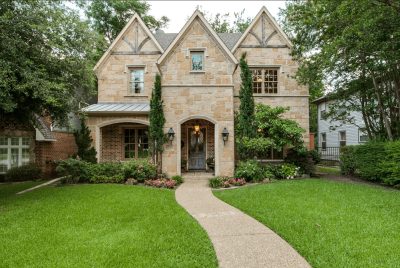
Here, buyers will find early 20th-century bungalows alongside newer construction and townhome developments. The mix of housing types creates a broader range of price points compared to some surrounding neighborhoods.
Residents enjoy walkable access to restaurants, coffee shops, and parks while remaining close to White Rock Lake amenities.
Belmont Addition – East Dallas
8. Belmont Addition
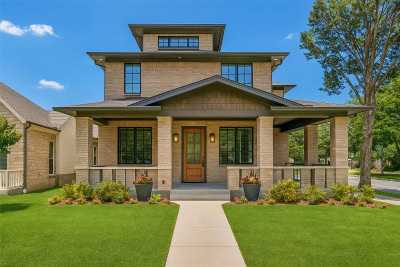
Belmont Addition is positioned just north of Lower Greenville and contains a strong concentration of 1920s Craftsman bungalows.
At the same time, homes are typically smaller in scale but full of original character. Many have been thoughtfully updated while maintaining hardwood floors, detailed millwork, and traditional floor plans.
Residents can walk directly to Greenville Avenue while still enjoying quieter residential streets. It remains a consistent choice for buyers prioritizing walkability in East Dallas and proximity to Greenville Avenue.












Leave A Comment
You must be logged in to post a comment.